Table of Contents
Long registration lines at hospitals are frustrating. These lines happen because of patient files, billing, and data entry. It's all done simultaneously, which is complex. However, digital health solutions are now available. These include electronic records, mobile appointments, and e-prescriptions. This makes things easier for patients. Hospitals, however, still need improvements. Modern management requires solutions to speed up processes.
Modern health technology simplifies tasks. A healthcare management system streamlines operations. Think of our bodies as digital health tools. Each body part connects to others, forming a system. This system controls all components. This is how a healthcare management system works.
Software and technology manage a healthcare management system (HMS). This management covers the administrative, financial, and clinical activities of a healthcare center. It focuses on the "management" of a hospital, clinic, or practice's internal operations.
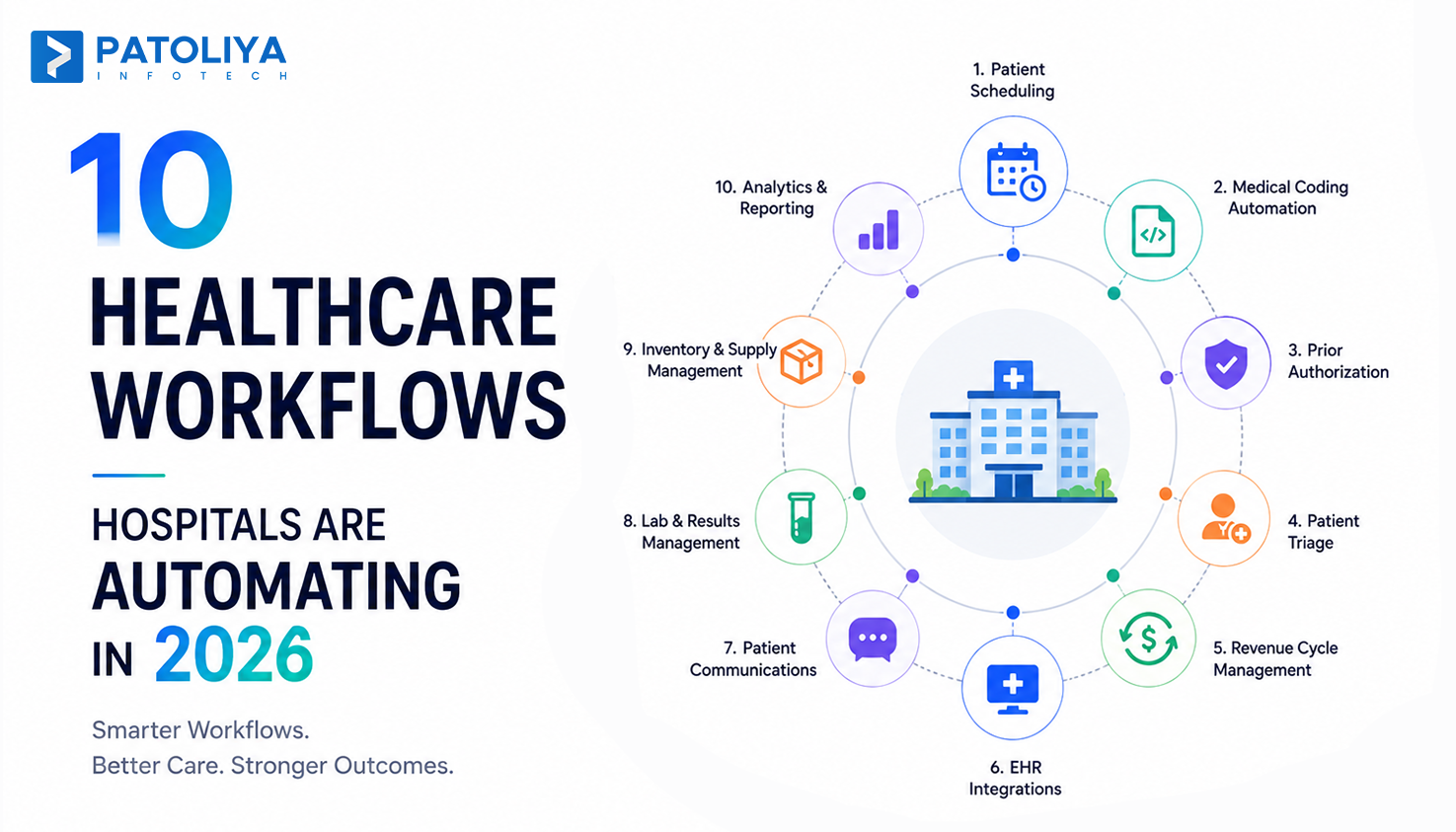
Key healthcare activities include inventory management, online appointment scheduling, billing, and logistics. HMS features pharmacy, claims, and electronic health records (EHR). This is critical for increasing operational efficiency.
Management of all these areas is critical. All these areas play important roles in the hospital system. Ensuring good functionality in these areas is essential. This improves speed and accuracy.
Patient Management
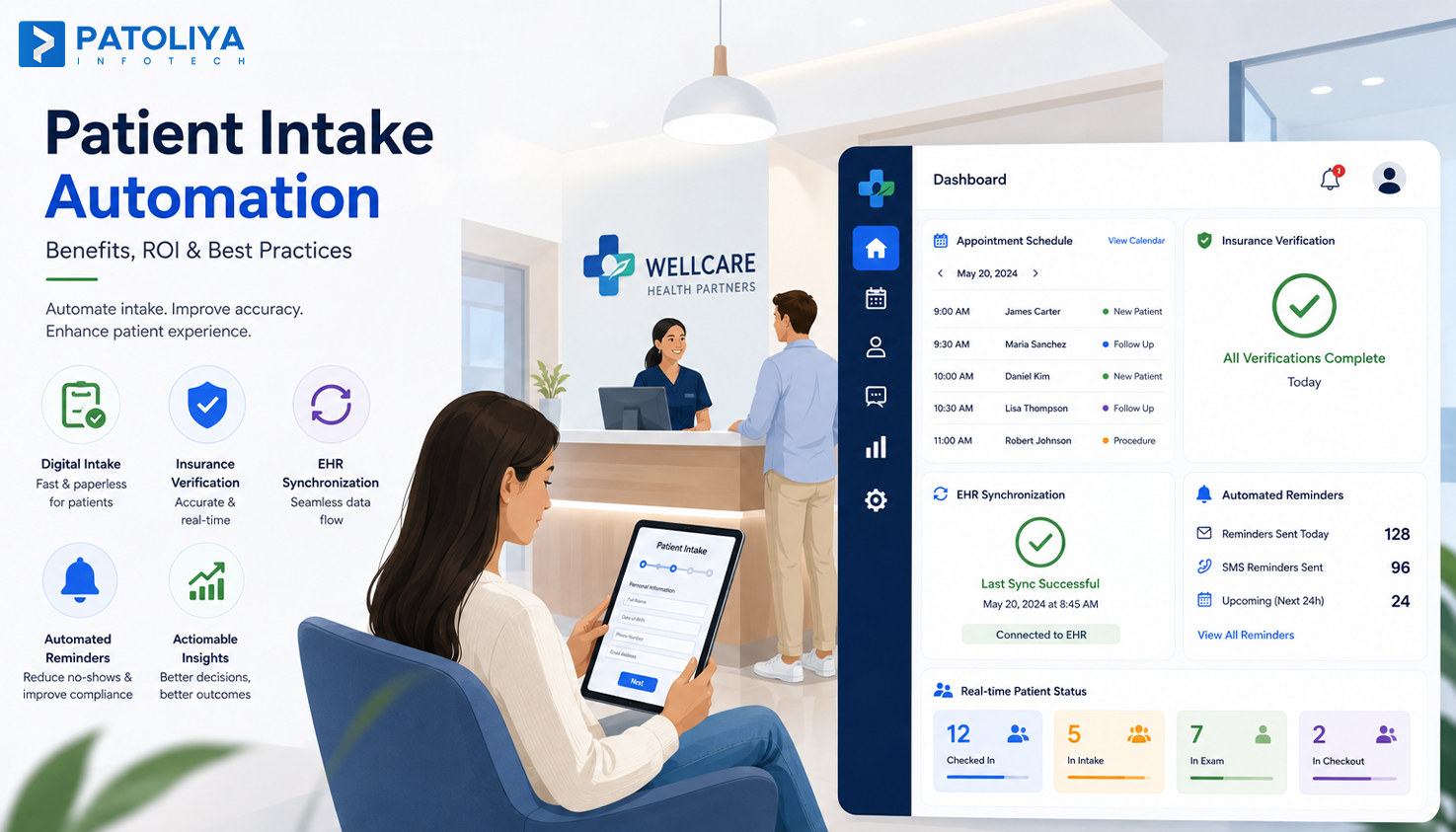
A smartphone app or calendar for scheduling and canceling appointments is necessary. This makes it easier for patients or hospitals to remind them about future tasks. There are automated reminder systems in hospitals that convey messages about rescheduling appointments. Electronic Health Records reduce manual work. All patient data makes it easier to find the patient's history and make decisions.
Electronic Medical Records (EMR)
It includes electronic records. These records include patient history, medication, and diagnoses. This makes it easier for doctors to write e-prescriptions. in hospitals, Automation of technology transmits lab results and diagnostic information to patients. This reduces the time spent transferring files and reports to lab testers or to patients. This record facilitates decision-making for doctors and assistants.
Billing and Claims Management
A claim management system generates claims based on services performed during a patient visit. Software name scrubbing looks for inconsistencies in claims. Further it’s Check for errors before submitting to avoid rejections. Look for incorrect codes or missing information; medical billing, online payments are common for it. Electronic Remittance Advice (ERA) accepts payment and denial data from insurance providers electronically. This makes the claim procedure simple and quick.
Inventory and Pharmacy Management
The inventory system tracks lab data. It also monitors inventory levels. This includes bandages and surgical equipment. When supplies are low, the system alerts staff. It tracks medical supplies and medications by batch number. The system checks expiry dates to prevent the use of expired materials. This is vital for patient safety and quick response times.
Reporting and Analytics
This is the Health Management System's intelligent layer. AI and machine learning deliver excellent dashboards and reports. This dashboard contains critical performance indicators. Consider indicators like patient volume, revenue, and staff productivity. The reporting and analytics system provides automated data. This includes patient no-show rates, billing trends, and common diagnoses. Advanced analytics systems analyze data. This helps forecast patient volume, resource needs, and revenue.
Telehealth Integration
This is useful for remote healthcare services. Wearable sensors are useful for measuring blood pressure, heart rate, and vital indicators. This monitoring gadget notifies doctors and patients about the situation. Patients receive consultations and prescriptions from doctors online. Smartphone wellbeing apps are excellent for improving one's health. Calorie counting, walking steps per day, and meditation applications are among examples.
Patient Portal
It provides a digital view of patient health information. So they became responsible for their own care. Patients can see their laboratory results, discharge summaries, and medication lists through the portal's records. Patients can schedule, view, and cancel appointments online through mHealth software and multiple access are available. This can reduce the administrative strain on employees.
Regulatory Compliance
This is an undeniable feature. This guarantees that the system and all data processing activities follow legal norms. Hospitals are responsible for maintaining the confidentiality and security of Protected Health Information (PHI). This will be achieved by stringent administrative, physical, and technical safeguards. This is used in hospitals to ensure access controls, audit trails, and data encryption. Some examples include HIPAA in the United States and GDPR in Europe.
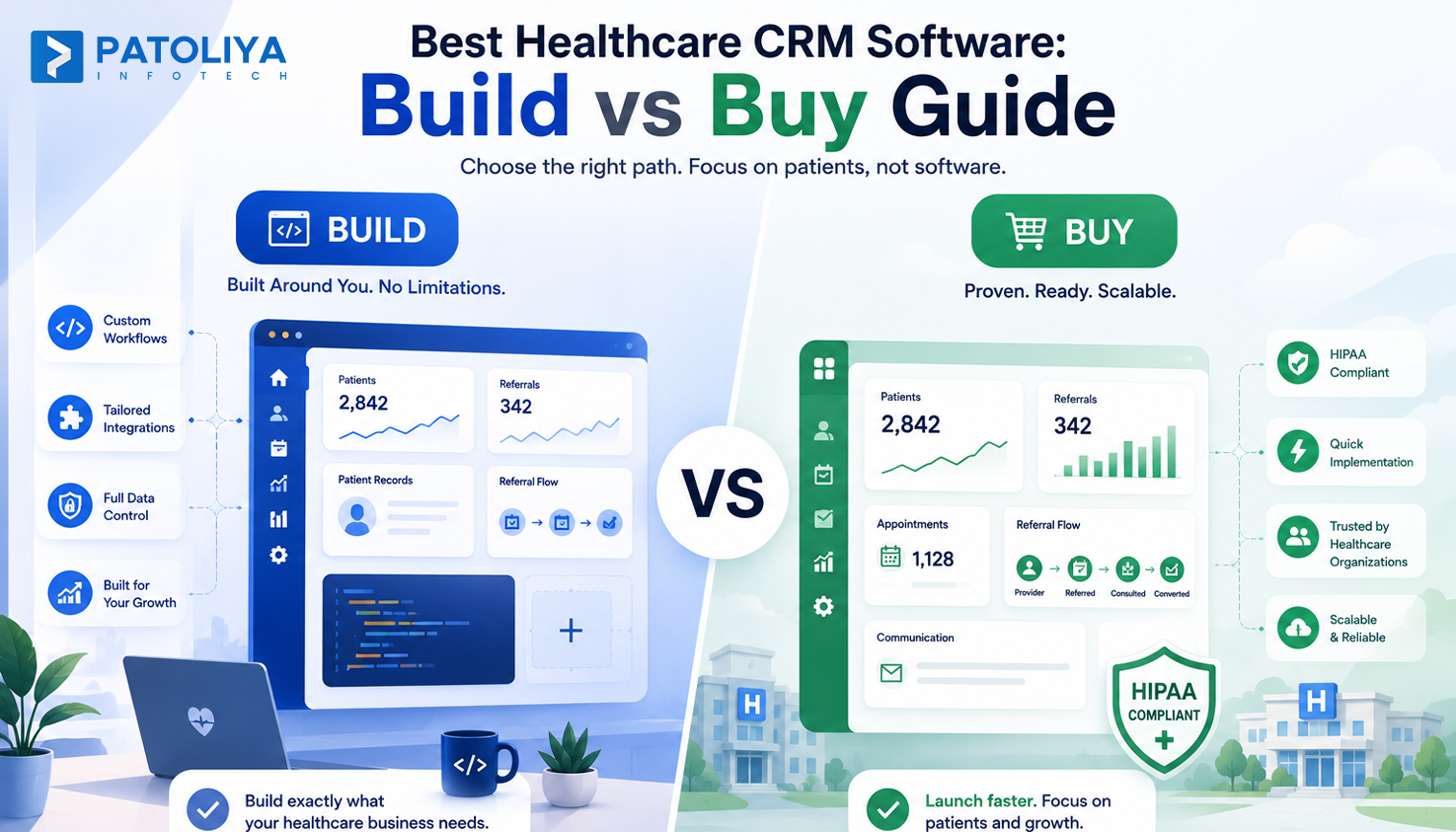
The entire healthcare management system (HMS) is dependent on software and technologies. The quality and accuracy of software are extremely important. Off-the-shelf software refers to pre-made solutions that may be purchased and used. For example, a ready-made outfit from the store. The software is already developed, hence it is less expensive.
Many businesses have tried and used off-the-shelf software. Thus, they are often dependable and stable.
Custom-built software creates a solution. The system is customized. Customization depends on the company's needs. It also depends on the company's requirements. It can be designed to adapt to your organization's changing demands. As you grow, you will add additional features.
Any hospital requires both types of software. Customizable for specific needs; ready-made for accuracy. So balance is essential. Pre-built systems are available. They handle billing and scheduling. but allows you to tweak or add modules to meet your own needs. Work with the provider to customize the software. This ensures it meets hospital needs.
Needs Assessment
This is the basic step. You need to identify the organization's pain points. For example, if you want to reduce patient wait times, consider automating billing. Or gain more insight from data? This study will produce a must-have list of features. This will walk you through the entire selection process.
Vendor Selection
Once you've decided what you want, the next step is to find the right vendor. Examine several healthcare management system providers. Inquire with suppliers about how their goods solve your specific problems. Request pricing, features, and other relevant information. The vendor's reputation and software quality should be recognized. Consider customer feedback on this.
Data Migration
This is complex planning. Transferring your current patient records, Import files into the new HMS. These files can be paper records or spreadsheets. Ensure that data is transferred securely and accurately.
Staff Training
Comprehensive training is important for a successful implementation. Ensure that your entire team is comfortable and proficient with the new system. Before the go-live date. The training should be adapted to the different user roles. For example, front-desk employees, nurses, and physicians.
Go-Live and Post-Implementation Support
Today is launch day. The new Healthcare Management System (HMS) goes live. Post-implementation support is crucial. for fixing any bugs and providing continuous training. This allows you to maximize the long-term worth of your investment. Your vendors will tell you about this.
Once your new healthcare management system is operational, the work continues. Ensure return on investment (ROI). Rate your HMS investment's financial benefits. Take the view that it improves client satisfaction and makes the job easier. Ensure the correctness of administrative tasks. How productivity and operational flows are maintained. Data management and privacy improvement are critical to ensuring the best HMS.
Digital health technologies boost healthcare efficiency. Robots are assisting surgeons during surgery. The following are some significant technologies that make healthcare management systems more modern.
Artificial Intelligence (AI) and Machine Learning (ML)
AI can use massive volumes of patient data to predict health hazards. This includes creating personalized treatment regimens and assisting with diagnostics.
Blockchain
This method enhances data security. It creates a tamper-proof, decentralized patient record. This will provide greater control over privacy and data.
Augmented and Virtual Reality (AR/VR)
This is an interactive experience for teaching, diagnosis, and patient treatment. Medical students receive extensive teaching on body organs. Trauma and PTSD patients can confront their trauma and heal. Virtual environments allow patients to distract themselves from discomfort.
Mobile-First Design
These systems are being designed for mobile devices. Empowering patients to control their health with well-being applications. Ordinary folks can use these kinds of apps to better their health.
A successful Healthcare Management System (HMS) does not require software. It's all about how quickly you provide care to someone. One tool can greatly improve operations. From modest mobile apps to robotics, everything is important. In a world where data and efficiency are essential. Building a healthcare management system that meets your specific requirements is no longer a luxury. It is required for long-term success and to give the finest possible care.