Table of Contents
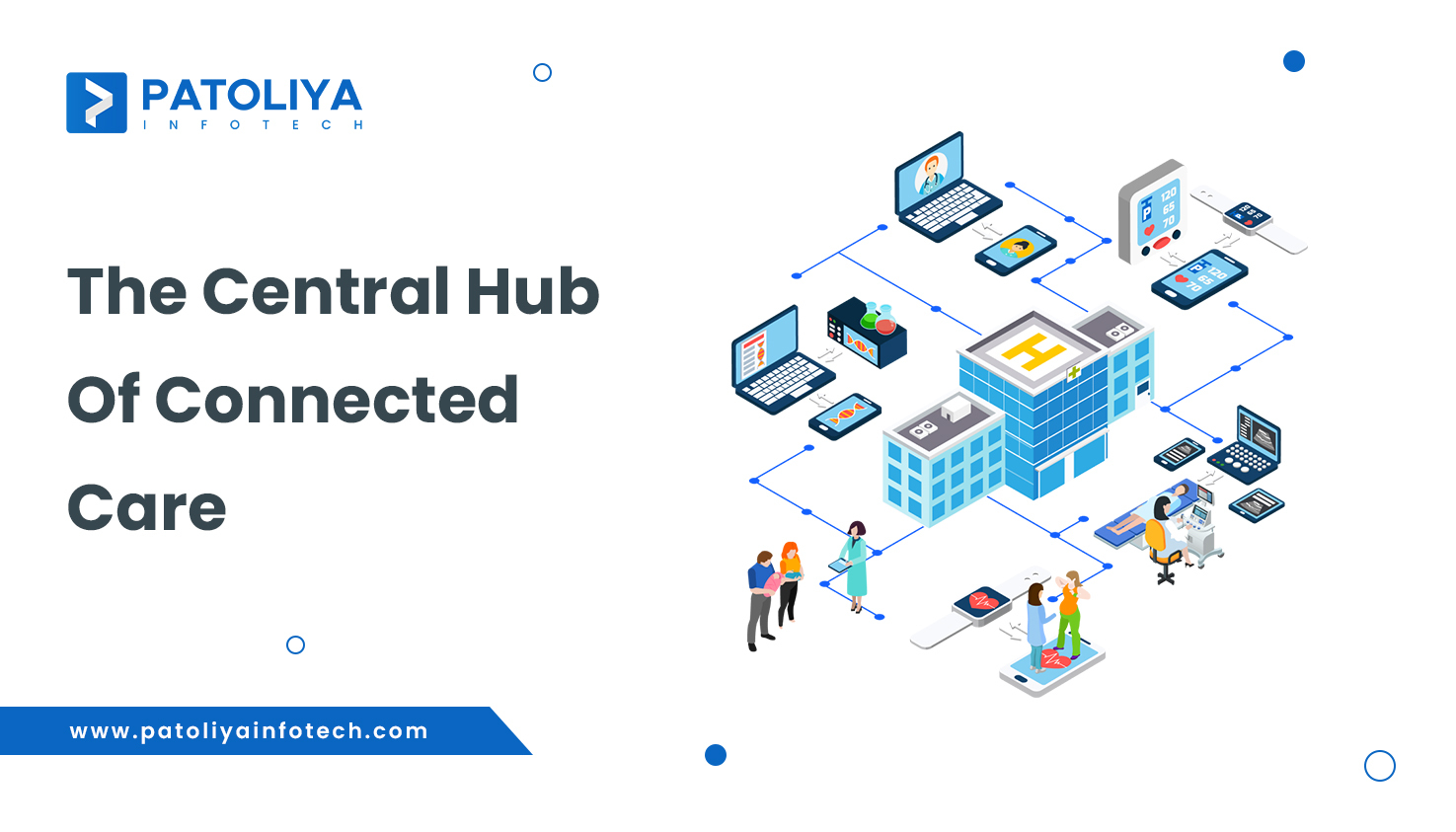
The Clinical Information System (CIS) is a transformative solution for data management and patient safety. CIS in healthcare has proven its worth, particularly after the COVID-19 pandemic. In developed nations such as the US or UK,CIS was employed for quick and secure patient care. It allows medical professionals to see who has tested positive. Also, track the number of available beds and share patient data with public health officials.
Clinical information systems are the nervous system of the healthcare sector. This links with all medical departments and securely transfers medical data. It allows doctors to view your complete medical history, laboratory findings, and allergies. It supports quicker and smarter decisions.
Electronic Health Records (EHR), Laboratory Information System, and ICU Information System are some of the components of CIS. This component helps healthcare improve health quality. Healthcare information systems are important. because doctors do not have time for transferring medical data. They do not have time to double-check prescriptions. CIS helps to avoid dangerous mistakes.
UK Healthcare IT Market Reports stats, The market is expected to grow from USD 11.9 billion in 2024 to USD 24.6 billion by 2033. (Src)
The definition of CIS refers to a computer-based system designed to gather, store, and process medical records.
CIS's primary objective is to give doctors immediate and accurate medical records. This facilitates accurate decision-making.
CIS is an important part of digital health solutions. Rather than focusing solely on one area, CIS integrates all healthcare departments.
| CIS Components | Uses | Benefits |
| Electronic Health Records (EHR) / Electronic Medical Records (EMR) | Stores digital medical records, including paper charts, lab and imaging results, diagnoses, prescriptions, dates of vaccinations, allergies, and medical history.instant access to health records. | Immediate access to medical records. Give decision-makers analytics. |
| Clinical Decision Support Systems (CDSS) | Medication recommendations,alerts and reminders to clinicians, suggest appropriate dosages. | Provide alerts about drug allergies while prescriptions. Set up rules and improve patient care procedures. Reduce errors in dosages, prescriptions, and diagnostic processes. |
| Computerized Physician Order Entry (CPOE) | Helps medical professionals in placing electronic orders for prescription drugs, lab work, and other procedures. | Prevents handwriting errors and misunderstandings. Sends requests straight to the lab, pharmacy, or other departments, automating the ordering process. Integrated with CDSS to provide alerts for errors before an order is finalized. |
| Laboratory Information System (LIS) | Managing laboratory data, such as tracking lab samples, processing lab tests, and reporting results directly into the patient's EHR. | Automated lab processes can reduce time and provide accurate data. LIS makes it easy to track samples and results. |
| Radiology Information System (RIS) | Manages radiology workflows, scheduling appointments, and tracking images. | Manages patient scheduling, registration, and exam tracking. Bridge the communication gap between radiologists, technicians, and other healthcare providers. Improve staff productivity and optimization of radiology equipment. |
| Picture Archiving and Communication System (PACS) | Stores, manages, and allows for the viewing of digital images such as X-rays, CT scans, and MRIs across the network. | Enables remote access to images for healthcare professionals. Make it easy image sharing for collaboration and second opinions. PACS gives tools for efficient image viewing and manipulation, improving diagnostics. |
| Health Information Exchange (HIE) | For secure and seamless sharing of patient data among different healthcare organizations. | For better patient care, where data is available at any location |
| Patient Portals | Provide patients with their own medical records, view lab results, schedule appointments, request prescription refills, and communicate with their care team. | Help patients take an active role in their healthcare journey. |
| ICU Information System | Intensive Care Units(ICU) systems integrate data from various monitoring devices such as ventilators, vital signs monitors, and combine medication administration. | Tracking of vital signs and critical parameters, alerting staff to even subtle changes in a patient's condition. Collect critical data into one device with charts and analytics for life-saving decisions in a high-stakes environment. |
Specialized healthcare software is more than a tool — it’s the foundation for improving outcomes and streamlining care.
Not only do digital health solutions improve patient care, but the framework of the system is also important. Patoliya Infotech's experts have a strong expertise in CIS and digital healthcare solutions.
CIS benefits include data management, decision guidance, and system integration. Also, this helps in bridging communication across different healthcare departments.
Every hospital system is unique from the others. We will discuss many system types in this section. These are the Health Management Information System (HMIS) and The Hospital Information System (HIS).
| Feature | Clinical Information System (CIS) | Hospital Information System (HIS) | Health Management Information System (HMIS) |
| Primary Focus | Patient-focused care and clinical workflow. | Management of the entire hospital's operations. | Public health management and policy planning. |
| Key Function | Providing evaluation, treatment, and patient monitoring tools to support medical professionals. | Automating and integrating all clinical, financial, and administrative procedures | Collecting and analyzing health data to make informed decisions about public health. |
| Key Users | Physicians, nurses, and other medical specialists. | Clinicians, hospital administrators, finance teams, human resources, and IT personnel. | Governmental organizations, researchers, and public health officials. |
| Core Modules | ICU systems, LIS, RIS/PACS, CPOE, CDSS, and EHR/EMR. | Human resources, inventory management, pharmacy, CIS modules, billing, and patient registration. | Dashboards for disease surveillance, tools for analyzing epidemiological data, demographic monitors, and models for allocating resources. |
| Scope | Departmental and clinical level. | Enterprise-level management of all hospital departments. | Regional, national, and global levels. |
| Use of data | Individual patient data for decision-making. | Operational data for efficiency, cost reduction, and business management. | For resource planning and trend analysis. |
| Example | For better patient care. | To speed up the billing process for all patients discharged in a month. | To track the spread of a new infectious disease across a state. |
They work directly with healthcare professionals to understand their daily workflows, pain points, and specific needs.
They adapt the foundational technology to meet the hospital's specific requirements.
This includes customizing templates, creating order sets, and ensuring the system's logic follows clinical best practices and institutional protocols.
They provide training to new hires to experienced ones with new models. They provide continuous support, solving issues and answering questions to make the system used on a high-performance basis.
A CIS Analyst continuously monitors system usage and user feedback for improvement.
They are regularly checking performance, data security, and efficiency of clinical information systems.
The initial high price of specialized technology and software, as well as the continuous costs of maintenance, updates, and licenses.
The technical challenge is to make sure that the new CIS can easily integrate with existing systems. This involves lab results, billing software, and patient portals. A lack of interoperability can lead to errors and inefficiencies.
The study proves that users determine whether a system implementation is successful or not. New changes or adoptions make the staff anxious. Lack of system training stops new systems from being adopted.
It is important to improve cybersecurity while following national regulations regarding privacy. Sensitive hospital data can be seriously damaged by a single threat.
While complete system failures are rare, they sometimes happen. This occurs as a result of complex procedures or mistakes of some kind. Data loss and disruptions to patient care or workflow result from this.
The healthcare sector continuously looks for intelligent and modern innovations to improve quality and patient care.
The integration of artificial intelligence and machine learning in healthcare goes beyond task automation.
Artificial intelligence and machine learning can do predictive analysis, early disease identification, and more accurate diagnosis or treatment plans. These technologies are important for clinical information systems (CIS) in the future.
The CIS in healthcare can feed pre-operative imaging from PACS and patient data from EHR directly to the robotic system's interface.
This provides the surgeon with a fast and comprehensive view of the patient's anatomy and history.
CIS is the heart of remote patient care. This helps medical professionals to remotely monitor patients with chronic diseases.
This helps faster intervention and improves patient care from any place.
These technologies are useful for medication reminders and specific health guidance. Also, they can arrange appointments and connect directly with their care team.
Patients can directly participate in the healthcare journey and take steps to improve their health.
All of these factors are in demand by the healthcare sector, and CIS in healthcare plays an important role. A great software company plays an important part in providing high-quality software for improved and safer healthcare. Patoliya InfoTech has a vision to provide high-quality services.
In COVID-19, Clinical Information System(CIS) helps in, Analysing large amounts of data and early prediction of serious disease for COVID-19 patients.
CIS provided dashboards for resource allotment to patients. This involves information to track the number of available beds, the inventory of ventilators. Also, the arrangement of medical staff across a region.
In the midst of the COVID-19 pandemic, King Faisal Specialist Hospital & Research Centre (KFSH&RC) in Saudi Arabia partnered with Cerner to perform a complete virtual upgrade of its Integrated Clinical Information System (ICIS). This is for improvements in system performance, fast oncology documentation, and the automation of medication administration through barcoding.
Patients believe that using portals and applications allows them to be more conscious of their health. This allows people to improve their health daily. They can quickly get medicines online, and appointment scheduling saves them time and money.
They receive lab results and diagnoses online, which reduces errors and time. Remote monitoring using sensors lowered their worries since they knew they would receive early treatment for the disease.
The clinical information system connects all departments. It is all about improving patient care and safety. In administration, this speeds up employee productivity. When it comes to challenges such as high costs or security issues, they are common to all technologies and innovations.
The benefits of remote monitoring lead to the application of artificial intelligence and robotics for better patient care. As time passes, the future of CIS becomes more valuable in terms of its interconnection.
CIS integration with AI and robotics in emergencies plays an important role in making quick decisions. This offers medical professionals situational control over the health of a patient. No matter how advanced the technology used by the organization is, CIS ultimately brings everything together.
An excellent Clinical Information System (CIS) friendly software can change everything. Patoliya Infotech is a leading provider of healthcare software solutions. Book a consultation call now; it is free.