Table of Contents
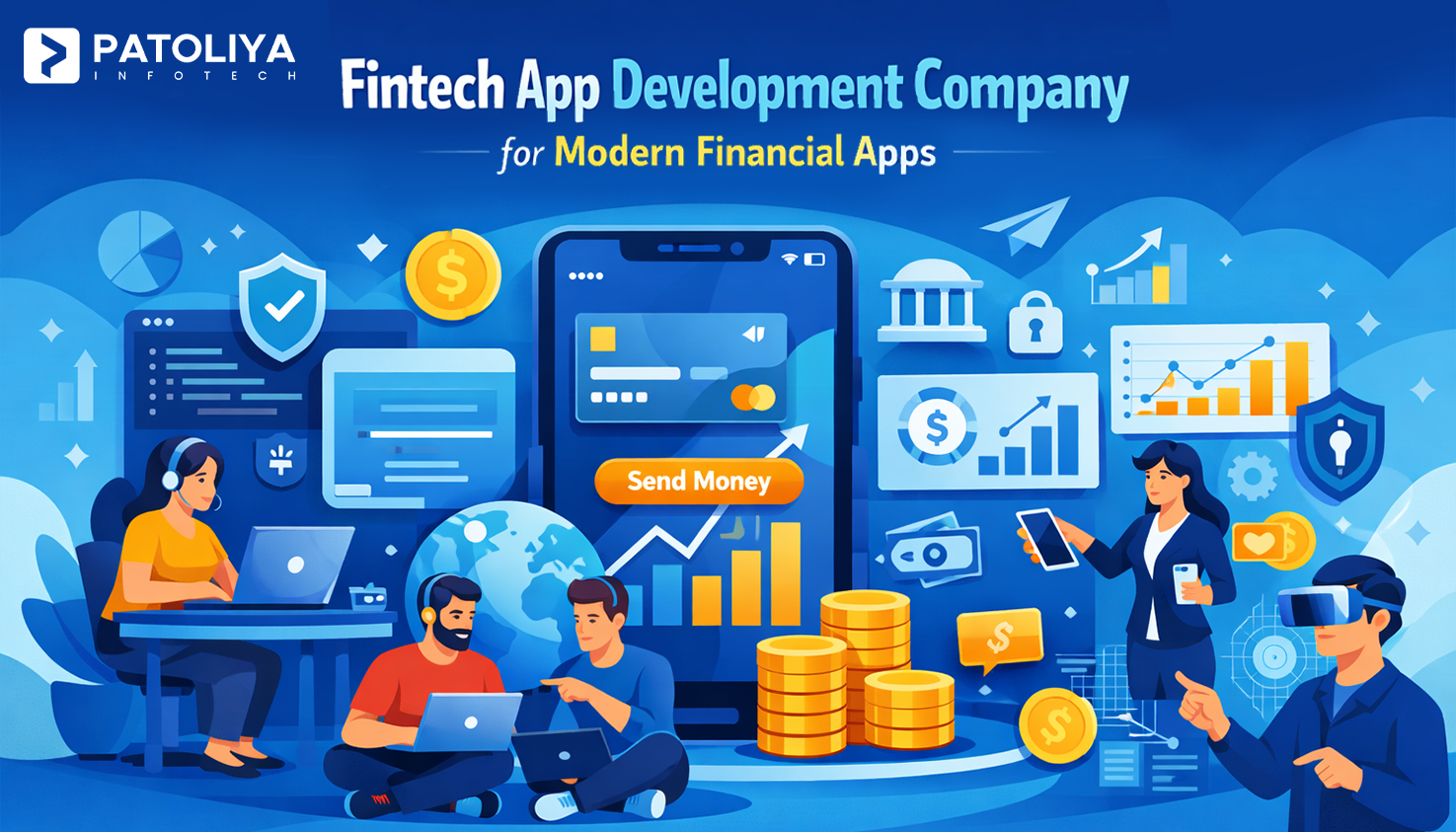
A fintech app development company plays a critical role in shaping secure and reliable digital financial ecosystems in today’s highly regulated market. As regulatory requirements for financial products continue to evolve, businesses face increasing pressure to maintain compliance, protect sensitive data, and prevent security breaches.
Any security failure or compliance gap can directly damage customer trust, disrupt licensing approvals, and limit future scalability. Choosing the right development partner requires evaluating expertise in financial regulations, secure architecture design, and long-term compliance planning from the start.
Organizations must focus on technical capability, regulatory awareness, and risk management readiness when selecting financial app development services. Many institutions rely on an experienced enterprise fintech development partner to design compliant and future-ready financial platforms.
Fintech products must comply with evolving compliance laws, audit standards, and cross-border transaction legislation. A leading fintech app development company creates processes that adjust to changes in regulations without interfering with the system.
For instance, automated reporting modules enhance company growth in new markets while helping companies in meeting regulatory standards. Furthermore, real-time analytics contribute to strategic decision-making by giving actionable insights into market performance and operational efficiency.
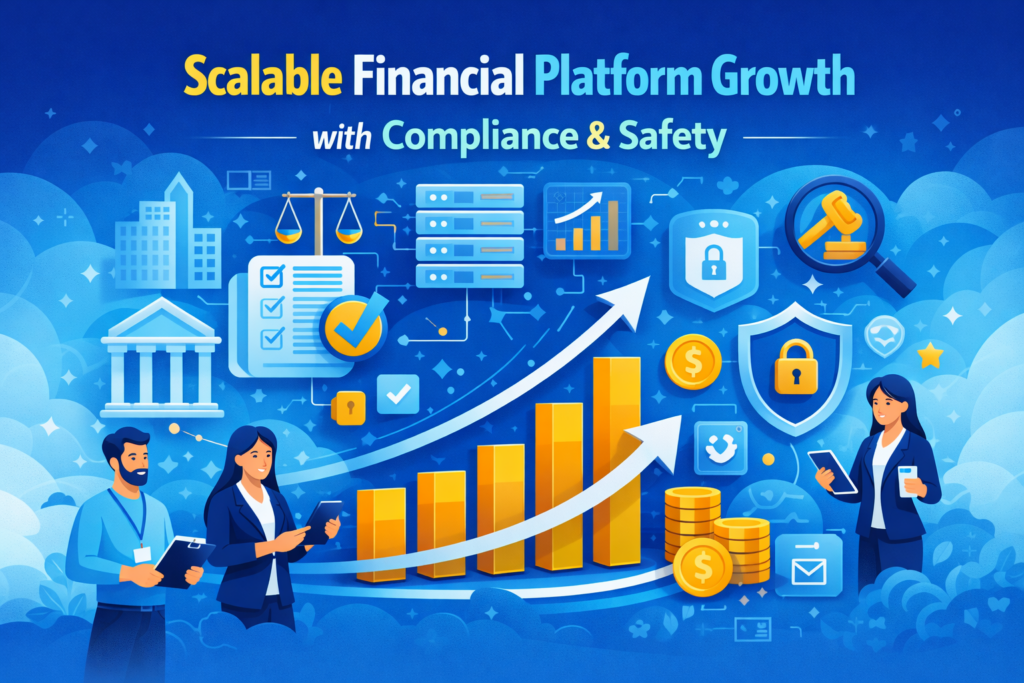
Selecting the best fintech app development company is essential for sustained financial success online. A trustworthy financial app development service provider ensures secure data management, performance stability, and regulatory compliance.
Financial platform security breaches have a direct impact on customer retention and company trust. Advanced encryption, authentication layers, and ongoing monitoring are ways that a reputable financial app development services provider reduces vulnerabilities. Inadequate security measures frequently result in user churn, legal risk, and a decline in financial standing.
A trustworthy fintech app development business must provide expertise in architecture, compliance, and financial system integration. Multi-layer authentication, tokenization, and encrypted storage systems are some of the ways that a security first design secures client assets.
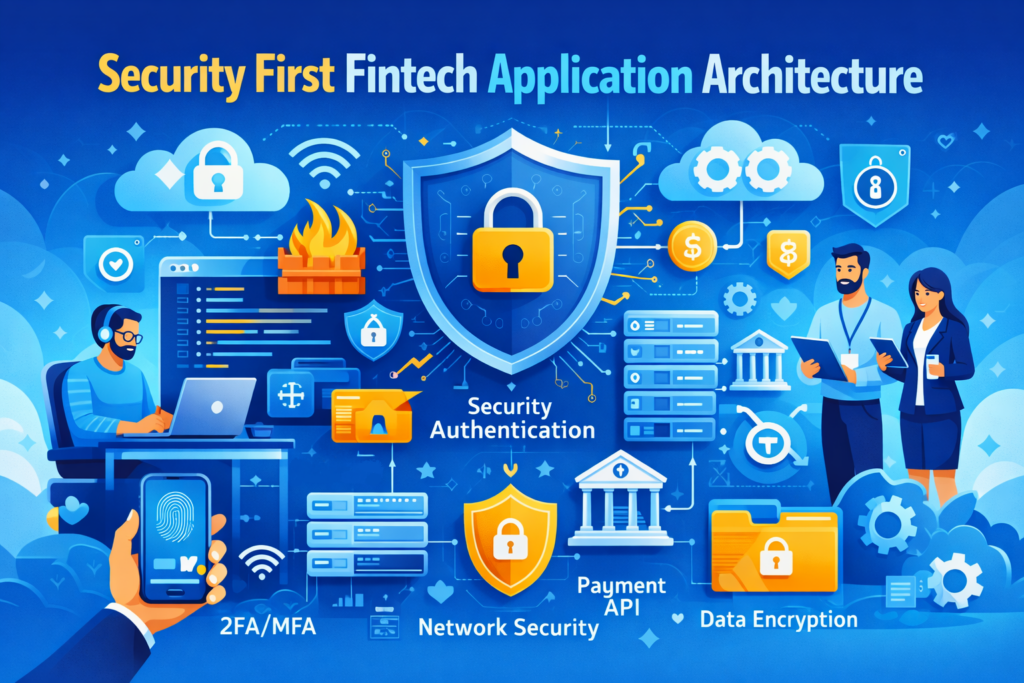
Threat detection frameworks are implemented during development by an expert fintech app development company. This level of protection typically requires deep secure web application development expertise across backend systems and API layers. For instance, zero-trust security models prevent unauthorized internal and external system access.
Compliance procedures should be incorporated into the development strategy and not later. A proficient fintech app development company offers data governance and audit recording with regulatory friendly design.
Financial app development services often include automatic compliance tracking to make certification processes run more smoothly. Scalable security mechanisms and operational resilience are essential for companies looking for financial app development services.
Reliable third-party connectivity and transaction orchestration are essential components of enterprise financial solutions. Expert developers create safe financial apps by complying with standard procedures to ensure reliable and legal deployments.
Proper financial app development services enable high-volume payment gateways and core ledger synchronization. Modern platforms also rely on banking API integration to provide smooth payment, verification, and transaction processing with the help of a fintech app development company.
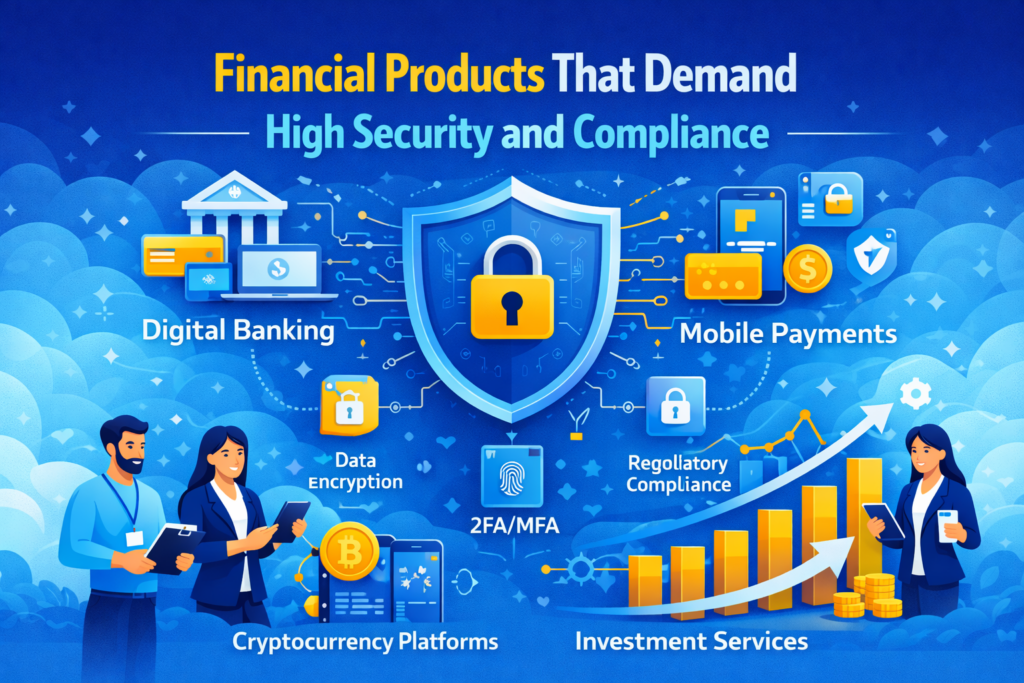
Digital wallets need to be securely stored to make quick transfers, monitor fraud, and save payment credentials. A fintech app development company uses digital wallet app development techniques to create tokenized transaction workflows. For instance, QR-based payment wallets make retail purchases easier while protecting customer financial information.
Modern financial ecosystems rely on safe digital platforms, so a reputable fintech app development business is important. Neobanks run entirely digital banking services in the absence of physical branches. Neobank app development, a professional fintech app development company, offers account administration, lending tools, and real-time analytics. AI assisted KYC systems make customer onboarding and identity verification faster.
Problems with device compatibility, session security, and transaction latency affect mobile banking systems. A trusted fintech app development company ensures consistent performance through mobile banking app development. Implementing scalable cloud infrastructure guarantees secure, high-traffic financial processes.
Companies that offer financial app development services need to protect data, identity verification, and transaction integrity. Advanced encryption and auditing procedures are necessary for high-risk financial products like payment ecosystems.
Financial apps need to protect sensitive company information, payment histories, and consumer identities. Fintech app development company ensure safe data storage and regulated access control through the use of effective encryption techniques.
For instance, while processing online payments via payment gateway integration, tokenization techniques replace actual card numbers. This enables platforms to meet PCI DSS compliance standards while maintaining smooth transaction experiences. Choosing a professional fintech app development company ensures a compliance focused system design from the initial development stage.
Financial app development services assist companies in creating safe and compliant financial systems during both development and scaling stages. Continuous monitoring systems that stop fraud attempts and identify questionable activity. Innovative banking app development services use AI-powered behavior monitoring to spot unusual transaction or login patterns. Multi-factor authentication and risk score algorithms enhance operational safety and platform confidence.
System expansion must comply with regulatory governance models. Expert development services through a fintech app development company create cloud-native structures that enable safe workload expansion. Automated compliance logging and infrastructure segmentation ensure that performance scaling complies with financial laws. Partnering with a reliable fintech app development company supports secure long-term digital growth.
As a financial app development business, Patoliya Infotech employs an engineering approach that prioritizes compliance. Workflows for development include regulatory mapping, security validation testing, and audit-ready documentation. In order to maintain legal compliance during deployment, scalability, and platform upgrades, financial app development services are made to conform to changing industry requirements.
As a leading fintech app development company, Patoliya Infotech builds layered security architectures supporting encrypted transactions and controlled data access. Deployment models based on microservices enhance system performance and reliability. Financial app development services include secure API integration, authentication protection, and real-time threat detection.
A trustworthy financial app development business offers help for compliance monitoring, security updates, and ongoing platform maintenance. In many cases, fintech leaders benefit from having specialists assess their platform security roadmap before scaling across markets. The business provides services for developing financial apps that adjust to changing legal requirements. This helps businesses maintain operational consistency while also enabling the integration of new features and market expansion.
From concept to distribution, a financial app development business must incorporate security measures. Threat modeling, encryption enforcement, and ongoing testing guarantee security throughout the development process.
A professional fintech app development company uses audit trail creation, regulatory mapping, and automated logging to carry out structured compliance validation. Financial app development services assist in maintaining certification readiness.
Scalable architecture is necessary for current finance systems. A reliable fintech app development company maintains efficiency and security as workload grows by utilizing distributed security layers and cloud-native frameworks.
Selecting the right fintech app development company is essential for building trustworthy digital financial products that meet modern security and regulatory expectations. Fintech success depends on strong compliance frameworks, advanced encryption, and scalable system design rather than only feature development.
Investing in professional financial app development services ensures protection against evolving cyber threats while supporting business expansion. Organizations must prioritize risk management, audit readiness, and technical excellence when developing financial platforms. Patoliya Infotech delivers reliable, secure, and high-performance fintech solutions designed to support long-term innovation and market competitiveness.