Table of Contents
Data analytics in healthcare isn’t just some shiny new tech toy, it’s basically the brain behind smarter patient care and running hospitals without losing your mind (or your budget). Think about it: hospitals and clinics are drowning in data-machines, charts, research, you name it. If you just let all that info sit there, it’s like having a gold mine and refusing to dig.
But when you actually wrangle that data? Boom! suddenly you’re making choices that save money, cut the nonsense, and actually treat people like individuals instead of numbers on a clipboard. And it’s not just about cutting costs or making the suits upstairs happy. Plugging analytics into how care actually gets delivered means you’re giving patients what they need, when they need it, and just maybe, keeping the lights on for the long haul. Honestly, if you’re in healthcare and ignoring analytics, you’re kind of missing the point.
So, data analytics in healthcare isn’t just a bunch of nerds crunching numbers, it’s way more clever than that. Basically, it’s digging through piles of health info (yep, sometimes mountains of it), connecting the dots, and figuring out what actually matters for real people and their care. It’s not just “data for data’s sake,” either. We’re talking about mixing clinical stuff (like patient records), the nitty-gritty of running hospitals, and yes, the dollars and cents, all together. Why? Because it helps doctors, execs, and everyone else spot weird trends, see trouble coming before it smacks them in the face, and figure out where to throw their resources before things go sideways. Bottom line: better care for patients, and healthcare businesses that don’t just survive, but actually know what’s up.
Business intelligence: BI if you’re into acronyms, is mostly about making corporate data pretty and digestible so companies don’t fly blind. Dashboards, reports, all that jazz. But healthcare analytics? That’s a whole different beast. We’re talking deep dives: population health, machine learning, predicting stuff before it even happens. Wild, right? The focus is stuff that actually matters to patients and doctors basically, the stuff that keeps people alive, complies with all those confusing regulations, and measures if treatments are actually working.
Sure, BI tools can spit out metrics and shiny charts, but healthcare analytics takes the wheel when things get messy like, way messier than your average business spreadsheet. If you want the quick version: healthcare analytics is kind of like BI’s super-nerdy cousin who specializes in solving medical mysteries and dealing with the chaos of healthcare logistics stuff that regular business ops just don’t have to worry about.
So, healthcare data analytics isn’t just a fancy buzzword, there’s actually four main types, and each one’s got its own vibe.
This is basically the “what the heck happened here?” tool. It’s all about looking in the rearview mirror. Think of it like scrolling through your phone’s photo gallery after a wild night out, except it’s patient stats, treatment results, and which departments used up all the gloves. Super helpful if you wanna spot patterns, see if you’re keeping up with competitors, or just avoid repeating last year’s disasters.
Here’s where things get a little sci-fi. Predictive analytics tries to figure out what might go down next by crunching old numbers, running some statistical magic, and tossing in machine learning for good measure. In healthcare, this means stuff like guessing who’s likely to end up back in the ER, who might get sick next season, or even when the next pandemic could hit (yikes). Basically, it’s the crystal ball everyone wishes they had.
Now, if predictive analytics is the fortune teller, prescriptive analytics is the bossy friend who tells you exactly what to do next. It chews on all that prediction data and spits out advice, like which treatments work best, how many nurses you actually need on a Tuesday night, or where to cut costs without ticking everyone off. It’s all about squeezing better results out of what you’ve got.
This one’s the detective. Diagnostic analytics digs into the “why” behind stuff that went sideways. Why did this patient outcome suck? Why did the ER turn into a circus last Thursday? It’s all about finding root causes so you can stop putting out the same old fires and actually fix the problem. Quality improvement nerds live for this.
All four types basically work together like a dysfunctional family, sometimes arguing, but ultimately making healthcare smarter, faster, and (hopefully) less expensive for everyone.
Data analytics is basically the secret sauce behind a ton of cool stuff in healthcare right now. Seriously, you’d be shocked at how much is going on behind the scenes. Here are a few wild ways the nerds with spreadsheets are shaking things up:
So, doctors aren’t just winging it these days, they’ve got turbo-charged brains thanks to analytics. Imagine a system that gobbles up your medical history, lab results, even the latest treatment guidelines, and spits out suggestions in real time. It’s like having a medical Sherlock Holmes on speed dial. Fewer mistakes, quicker diagnoses, and, hey, less chance your doc forgets something crucial.
Ever notice how some folks end up back in the hospital over and over? Well, analytics can spot those at risk by combing through stuff like meds, past visits, and even social factors (yep, your grandma’s living situation matters). Once they know who’s at risk, hospitals can throw extra support their way, think follow-up calls, custom care plans, maybe even a nurse who actually shows up at your house. All that means fewer repeat visits and, honestly, less money wasted.
Here’s where things get kinda sci-fi. Data analytics can sift through your genetics, lifestyle, and medical records to tailor treatments just for you. Instead of “take two of these and call me in the morning,” it’s more like, “Oh, you have this rare gene? Let’s get ahead of that.” Catching diseases early, tweaking meds to fit your DNA, it’s personalized medicine, not one-size-fits-all.
Nobody likes sitting in a waiting room forever. Analytics helps hospitals figure out how to staff shifts, stock up on supplies, and predict busy times. Less chaos, lower costs, and you might actually get in and out before you grow a beard.
Every system has its scammers, and healthcare’s no different. Analytics can sniff out fishy billing or weird claim patterns that scream “fraud!” Plus, it helps hospitals keep up with the endless rules and paperwork dodging fines and legal messes along the way.
Let’s not pretend hospitals aren’t businesses. Data analytics helps them get paid faster by flagging slow payments, catching billing mistakes, and streamlining the whole money-in, money-out circus. More cash in the bank means better services at least in theory.
Developing new drugs is expensive and sloooow. Analytics speeds things up by finding promising compounds and tracking how patients respond in trials. It even helps recruit the right people for those trials. The faster they do this, the sooner new meds hit the shelves.
Data analytics isn’t just some tech buzzword it’s totally flipping healthcare on its head. Smarter decisions, better care, and a system that (finally) works a little more like it should.
Unlock faster trials, smarter data, and better outcomes. Check our Clinical Research Management Software detailed blog no commitment needed.
This stuff isn’t just about flashy charts and spreadsheets. It’s shaking up how doctors, hospitals, and even insurance folks get things done.
Honestly, tracking patient data isn’t just “nice to have” it’s a game changer. Docs can actually see what’s working and what’s not, switch up treatments on the fly, and spot red flags before things go south. Fewer missed diagnoses, less drama with complications, and shockingly people actually get healthier.
Nobody wants a bloated hospital bill, right? Analytics helps weed out all the pointless tests and repeat visits that make healthcare cost an arm and a leg. Find the leaks, plug ‘em, and suddenly the bottom line looks way less scary. It’s not about cutting corners it’s about cutting the dumb stuff.
Why drown in paperwork when you can automate the boring stuff? With data tools doing the heavy lifting, docs and admins don’t have to wait ages to figure out what’s going on. They get info they can actually use fast. That means less time twiddling thumbs, more time actually helping people.
Let’s be real: healthcare is playing catch-up with digital stuff, but analytics is their ticket to the big leagues. Predict what patients need, tweak how care gets delivered, keep up with all the rule changes suddenly, they’re not just surviving, they’re killing it. In a world where everyone’s hustling for an edge, this is how you stay in the lead.
Data analytics isn’t just a buzzword. It’s the secret sauce for anyone in healthcare whether you’re footing the bill or fixing the patient who actually wants to make things better and not just talk about it.
Healthcare analytics? It’s basically a data buffet. You’ve got electronic health records (EHRs) stuffed with the usual suspects: lab results, who’s taking what meds, and a backlog of patient stories. Claims data swoops in from the money side, showing you what’s getting billed and where the cash is flying super handy for sniffing out fraud or just figuring out how to stop burning money.
Now, if you thought that was it, surprise! There’s wearable tech and those remote monitors Fitbits, smartwatches, you name it spitting out constant updates on people’s heart rates, steps, maybe even if they slept like a rock or a zombie. Basically, docs don’t have to wait six months for a checkup to see if someone’s tanking.
Don’t forget the medical images X-rays, MRIs, all that jazz. When you throw analytics at those, doctors can spot stuff they might’ve missed on a tired Monday. And telehealth? It’s not just about FaceTiming your doctor in pajamas; it’s collecting mountains of data on how treatments actually work in the wild, not just in sterile clinics.
Here’s where it gets fun (or messy): all those random doctor notes and discharge summaries. They’re written in medical-speak, half illegible, and packed with hidden gems. Enter natural language processing (yeah, robots trying to read doctor handwriting, good luck). But if it works, you pull out details that’d otherwise get buried.
Put all this chaos together, and you’ve got the makings of a healthcare crystal ball. Better decisions, happier patients, maybe even fewer insurance horror stories. Not perfect, but hey, it’s a start.
Tossing data analytics into the healthcare circus isn’t some plug-and-play fairytale. First off, everybody’s using their own weird flavors of records and tech. It’s like trying to get a group chat going between iPhone, Android, and that one person still using a pager. Good luck.
You pretty much gotta stick to the big-deal standards HL7, FHIR, all that acronym soup otherwise, things get real messy, real quick. These standards are like the universal translators, letting EHRs, EMRs, and whatever analytic tool you’re keen on actually talk to each other without throwing a tantrum. Upside? Data flows where it’s supposed to, and you don’t end up with a thousand copies of the same info floating everywhere or, worse, missing key stuff when you need it most.
But hey, let’s not just check the compliance box and call it a day. Burying analytics right into the EMR/EHR workflow? That’s where the magic happens. Docs get real-time insights while they’re actually treating people, not after the fact when it’s too late to matter. They don’t have to click through a million pop-ups or jump through hoops, either.
Most of this jazz runs on cloud platforms and those big data lakes you keep hearing about. Think: all your patient data, test results, whatever piled up in one huge, searchable spot. It’s flexible, it scales up when you need it, and it’s locked down tight for privacy and compliance (no one wants a HIPAA headache). That way, hospitals can actually use all that data instead of drowning in it, and maybe just maybe stop treating their record systems like digital filing cabinets from 1999.
Man, picking between off-the-shelf and custom analytics for healthcare companies? That’s a headache and a half. There’s no easy answer; both have their own flavor of awesome and a side of hassle. If you go custom, you’re basically getting the VIP experience tweak every little thing so it fits your data, your weird workflows, even those legal hoops you gotta jump through. It’s like building a house exactly how you want, but don’t be shocked when the bill comes custom stuff ain’t cheap, takes forever to build, and you’re stuck fixing it when something breaks.
Now, off-the-shelf? Super tempting. You pop it out of the box, and you’re up and running before your coffee gets cold. Bonus: it’s usually easier on the wallet, at least at first. The catch? You’re stuck with what you get. Need to juggle some wild healthcare data or a workflow that’s more spaghetti than process? Good luck. These plug-and-play tools just aren’t made for that kind of chaos.
Then there’s scalability. Off-the-shelf can hit a wall fast try growing or adding fancy features, and you might find yourself boxed in. Custom builds can grow with you, but again, that’s more time, money, and probably a few headaches. And don’t even get me started on compliance; whether you DIY or buy, healthcare rules are a beast. Data privacy, security, all that jazz you can’t skip it.
Honestly, there’s no golden ticket here. You’ve gotta weigh what matters more: fast setup and lower up-front costs, or flexibility and growing room. Think about where your company’s headed, what kind of tech muscle you’ve got, and how much you’re willing to burn through cash. At the end of the day, you want a system that works now and doesn’t turn into a pumpkin when things change. Healthcare’s wild like that rules, tech, everything shifting all the time. Gotta stay on your toes.
If you’re building a legit healthcare analytics platform like, the kind hospitals and clinics don’t just want but actually need you’ve gotta tick a bunch of boxes. It’s not just about crunching numbers; you’ve gotta help doctors and admins hit their goals, keep everything running smooth, and scale up without the whole thing falling apart. Oh, and don’t forget: the rule police (HIPAA, GDPR, all that jazz) are always watching.
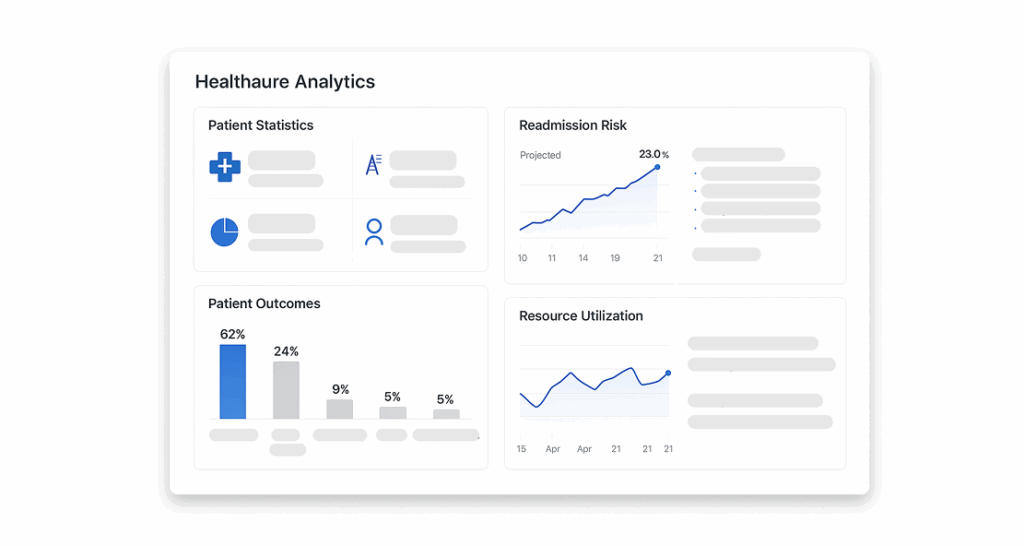
Put all that together and you’ve got a tool that actually helps turning raw data into real decisions and, hopefully, keeping regulators and patients off your back. If you can’t deliver that? Eh, better luck next time.
If you’re trying to figure out if healthcare analytics is worth the price tag, you gotta look at the whole picture not just the sticker price. Sure, there’s the upfront cash for the tech itself, but don’t forget the never-ending stream of costs: keeping the thing running, teaching folks how to use it, mashing it into your old systems. That stuff adds up fast.
But here’s where people mess up: they get so hung up on what it costs, they ignore the real magic. We’re talking fewer patients coming back through the ER revolving door, docs making fewer “oops” moments, and hospitals actually using their resources like they weren’t born yesterday. That’s real cash saved and, oh yeah, patients not dying. Kind of a win-win.
Now, if you’re in the value-based care game (which, let’s be real, everyone’s pretending they are), analytics is basically your secret weapon. You can actually track who’s at risk, manage huge groups of patients, and keep tabs on how well everyone’s doing without losing your mind. Suddenly, analytics isn’t just another line item burning a hole in your budget. It’s more like an investment in not tanking your hospital, staying in the government’s good graces, and maybe even racking up some perks like tax breaks or happier patients. Wild, right?
Picking a healthcare analytics partner isn’t just ticking boxes on a checklist. You want someone who actually gets the chaos of healthcare, not just a bunch of tech bros with fancy dashboards. If they don’t know their way around the mess of clinical operations, all those bizarre rules, and the nightmare that is healthcare data, keep shopping. Seriously.
Security and compliance? Non-negotiable. If they’re not obsessively guarding patient data like it’s the crown jewels and ticking off HIPAA, GDPR, and whatever other acronym you throw at them, run away. Fast. You do not want to end up in court because your partner got lazy with security.
Also, let’s talk about scalability. Your data is going to explode, no question about it. If their system starts wheezing the minute you upload a few million records, what’s the point? You want something that grows with you, not something that breaks because you dared to innovate.
And look, technical chops are cool, but you need more. You want a partner who sticks around after the honeymoon phase, answers your 2 a.m. freak-out emails, and actually listens when you say, “Hey, our priorities just changed again.” Someone who can turn your data spaghetti into insights that make a real difference for patients, not just some shiny PowerPoint. Basically, find a partner who’s in for the long haul and knows how to keep up when things get wild.
Patoliya Infotech approaches healthcare data analytics with an entirety, patient-centered strategy that stresses regulatory compliance, actionable insights, and seamless integration. Their technique involves:
Look, your healthcare data’s basically sitting on a goldmine, if you actually know what to do with it. Forget cookie-cutter solutions; you need analytics that actually fit your weird, specific needs. Want happier patients? Smoother operations? Or just want to keep the compliance folks off your back? The right data nerds can make all that happen.
Why wait? Hit up our team. Let’s be real: your competition’s probably already poking around with this stuff. Find out how legit analytics can actually boost your numbers and make your docs’ lives easier (and, yeah, maybe make you look like a genius).
Seriously, don’t just sit there, book a chat. Smarter, data-driven healthcare isn’t some sci-fi future. It’s right now, and it’s honestly about time you jumped in.