Table of Contents
Restaurants do not fail because they are short of staff during peak hours; they fail because staffing decisions are made too late or with incomplete data.
Spreadsheets, scheduling, and disjointed tools fail under real-world demands: sick days on peak nights, unexpected demand, delayed updates, and burnt-out teams struggling to get ahead on the floors. The outcome is obvious: increasing labor expense, inconsistent service, and dissatisfied customers.
Restaurant scheduling software solves this by automating workforce planning, forecasting demand, and aligning labor with real operational conditions. With the help of AI and real-time data, they would be able to predict demand, make appropriate adjustments, ensure quality service, even during demanding periods, etc.
The goal here is not to make schedules more quickly.
It's about minimizing labor waste, avoiding income loss, and maintaining consistency in operations as your restaurant expands.
This guide will help you understand what really works at scale and what to avoid when assessing scheduling solutions to replace strict tools and manual processes.
Managers and owners of restaurants can manage staff, labor costs, and working hours using restaurant scheduling software. Automated and data-driven planning, which responds dynamically to the needs of the working day, replaces the need to schedule staff manually.
In modern times, this is easily achieved through the utilization of modern scheduling programs that ensure no errors, no scheduling gaps, and a clear overview of the performance of labor, unlike the common utilization of the spreadsheet or manual scheduling system that always breaks down or results in errors during peak operating hours. For this reason, scheduling is essential in restaurants that prioritize consistency in the levels of service provision, compliance, and consistency in the course of or after expansion.
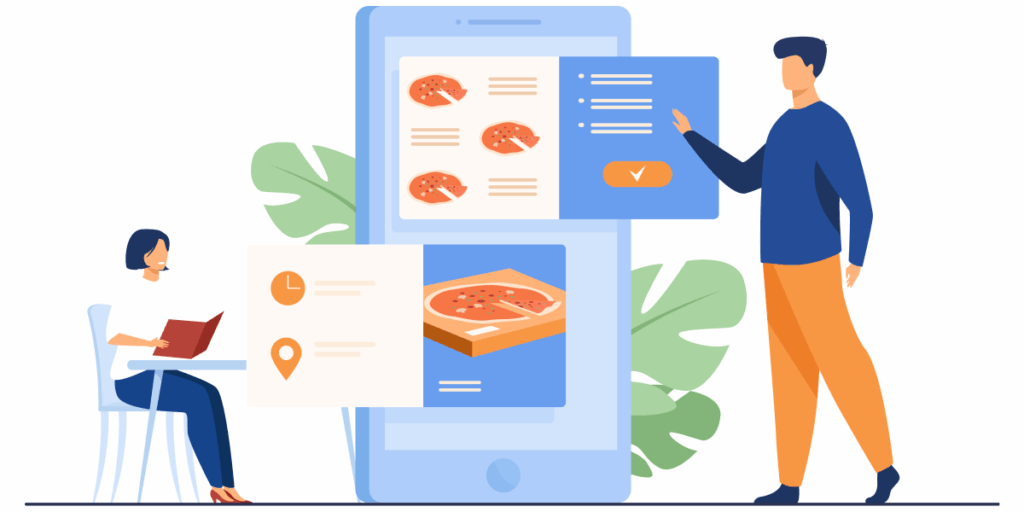
Modern restaurant scheduling software is based on a range of technologies that are intended to address the pressures of real-world operations. These technologies are combined in such a way as to provide scalability, accuracy, and reliability as restaurants expand.
These days, a lot of restaurant scheduling software is offered as Software-as-a-Service (SaaS) and is cloud-based. Because it doesn't require local installation, restaurants can access and manage their schedules, staff availability, and changes from anywhere at any time.
Because it offers an integrated way of managing data, cloud-based scheduling is a great option for restaurants with multiple outlets and franchises. Employees receive quick notifications, and managers can quickly change schedules via their mobile devices in real time.
Learn which restaurant technology solutions every food business needs to stay competitive and future-ready.
Impact on Business
What to Consider
Choosing a platform that supports easy and integrated payroll processing, scheduling regulations, and single-account management is very important for restaurants with multiple locations. To avoid system downtime during peak hours, consider platforms that meet regulatory requirements. Also, are scalable for peak hours and provide disaster recovery assistance.
With the use of artificial intelligence, the scheduling software becomes a predictive decision-support system, not just a planning tool. The artificial intelligence system predicts the demand for clients and provides the optimal number of staff to be hired for each shift based on past sales data, reservations, weather patterns, holidays, and events.
The manager can cut costs on labor while maintaining the quality of service by planning ahead.
Impact on Business
The more operational data that is collected, the better the AI models will be. AI can be implemented in new restaurants, allowing the system to improve in accuracy as the data grows.
AI-powered machine learning continuously learns from previous scheduling results. In order to improve future schedules, it recognizes repeated trends including peak hours, seasonal variations, and personnel bottlenecks.
The technology automatically adjusts as circumstances change, assisting restaurants in being ready for unexpected surges and changes in demand.
Impact on Business
This adaptive capability supports better managerial and adaptable decisions, which eliminates the need for frequent manual modifications.
The payroll, HR, time management, and point-of-sale systems are linked to the scheduling software using integration APIs.This minimizes the need for manual entry by ensuring that the information is automatically shared between the systems.
Restaurants are able to better understand labor performance and cost effectiveness by having their schedules directly linked to sales and labor metrics.
Impact on Business
What to Consider
Before the implementation of the integration, the functionality of the integration should be tested using sample data to help prevent payroll problems and promote trust among the employees.
Discover how restaurant technology is transforming dining experiences through digital ordering, smart kitchens, and seamless customer engagement.
For employees in hourly positions at a restaurant, a mobile first approach is a necessity. The employees are able to view the shifts, request to switch shifts, and receive timely updates via a mobile app.
Impact on Business
The mobile app should also be fast, user-friendly, and compatible with both iOS and Android to gain acceptance. The accessibility guidelines, like WCAG guidelines, will ensure that the system is used efficiently by all employees.
The analytics dashboard is an important feature that provides useful insights into data collected through the scheduling process. To identify inefficiencies before they affect profitability, managers can track labor costs, attendance, and schedule compliance.
Important Metrics to Track
Impact on Business
By periodically tracking these parameters, a manager can make suitable changes immediately in case of payroll and customer complaints.
The restaurant schedule software offers security features that can ensure the privacy of the employee information and compliance features that can help the restaurant comply with labor regulations.
Core Security Features
Impact on Business
The selection of software products with accredited certifications like ISO 27001 and SOC 2 helps ensure integrity and compliance with the data rules.
Discover how inventory management software helps businesses track stock, reduce waste, and improve operational efficiency.
The Reasons Generic Scheduling Tools Don’t Work at Scale
Many restaurants start with basic scheduling software and/or spreadsheet programs, but they quickly become obsolete.
As operations become more complex, generic tools become increasingly unable to manage:
Reactive decision-making, hidden labor costs, and business stress at times of peak revenue define the situation.
This is where the strength of tailored and specialized scheduling solutions becomes evident. They have the ability to scale without any interruption, along with integration with existing systems.
| Feature | What It Does | Why It Matters | When to Choose |
| Automated Scheduling of Shifts | automatically generates staff schedules using previous data, availability, and demand. | ensures adequate coverage during busy times minimizes the amount of time the manager must spend on scheduling reduces human bias and strikes a balance between workloads | Select AI-driven scheduling if the POS data is trustworthy, demand varies, or promotions occur frequently. Rule-based scheduling is an excellent way to start for small restaurants. |
| Employee Availability and Leave Management | enables employees to digitally submit requests for leave, time off, and availability. | Reduces disputes and conflicts around scheduling Improves employee satisfaction Prevents overstaffing and understaffing | Essential if labor costs exceed 25 to 30% of revenue or if you manage multiple roles and locations. |
| Forecasting Labor Costs | determines anticipated labor expenses before scheduling. | avoids overspending Enhances planning for profitability enables early hiring decisions | Ideal for restaurants that prioritize weekly labor planning and margin control. Advanced systems work well for growing and multi-location businesses. |
| Real-Time Communication & Notifications | quickly notify users of shift changes, cancellations, and reminders. | Decreases late arrivals and absences enhances teamwork removes the need for manual calls and WhatsApp | Ideal if the majority of employees use cellphones on a daily basis. Push alerts work better than email and SMS-only solutions. |
| Management of Compliance | implements overtime regulations, rest times, and labor laws automatically. | Reduces legal risk and fines Ensures ethical scheduling increases employee trust | Mandatory for restaurants that operate in states and nations with various labor regulations. |
| Integration of Payroll and POS | synchronizes scheduling with timekeeping, payroll, and point-of-sale(POS) systems. | Reduces payroll errors eliminates the need for manual data entry directly correlates labor costs with sales performance | Crucial for scaling restaurants and franchises where labor insights drive profitability. |
| Mobile Access & Self-Service | enables managers and employees to use mobile apps to manage shifts. | Improves flexibility for hourly workers Reduces absenteeism Boosts engagement and adoption | Ideal for large hourly workforces and busy restaurants with frequent shift changes. |
| Reporting & Analytics | converts labor and schedule data into useful insights. | Tracks labor cost percentage, attendance, and turnover Early detection of inefficiencies encourages making decisions based on data | For quick insights, select built-in dashboards. BI tool integrations like Tableau and Power BI can be necessary for larger teams. |
Selecting the best restaurant scheduling software is an operational and budgetary choice, along with a technological one. An effective system gives management control over everyday operations, increases team productivity, and minimizes labor waste.
Use the checklist below to evaluate scheduling solutions with confidence.
First, evaluate the true complexity of your scheduling needs.
Consider this:
Selecting a scheduling system that works for your current scale and can expand with you in the future is made easier with a comprehensive picture of your operations.
Software for scheduling should make tasks easier, not make them more difficult.
Evaluate:
It is crucial to have high adoption across teams. If employees have trouble using it, even the most complex equipment will fail.
Your current systems, particularly payroll and point of sale, must be easily integrated with your scheduling software.
Strong integrations:
Your ability to make successful staffing selections is limited if a scheduling tool doesn't work well with your point of sale system.
The foundation of restaurants is floor work, not desk service.
Seek out scheduling solutions that prioritize mobile devices and enable staff members to:
Faster communication, lower absenteeism, and higher employee satisfaction are all correlated with reliable mobile access.
Restaurants are able to adapt from reactive to proactive staffing with the use of AI-powered scheduling solutions.
Advanced systems can:
Managers can use analytics dashboards to make data-driven decisions compared to guessing.
Prioritize long-term benefit over initial expenses.
Consider:
The best scheduling options combine reliable and continuous support with flexible pricing.
Look for evidence before making a choice
Check:
Results from the real world give assurance that the program will offer benefits above functionality.
Develop Intelligent Restaurant Scheduling Software to Streamline Workforce Management.
The ideal restaurant scheduling software should adapt to your current operations, evolve with your business, and help you make better decisions every day.
Many restaurant teams now recognize that their workflows, integrations, and compliance requirements are not entirely met by off-the-shelf software.
Here, experienced development partners help with bridging the gap between basic tools and actual operational needs.
Location- 1
Employees- less than 30
Requirements: Mobile self-service, affordability, and simplicity.
Location- 2 to 20
Needs - cross-location visibility, POS integration, and centralized scheduling.
location- over 20
Needs- Automation, compliance, and enterprise scalability.
Ideal for groups with a high turnover rate
Needs- Quick shift changes, instantaneous communication, and a mobile-first user experience.
Restaurant scheduling includes protecting team productivity, profitability, and service quality. Employees can browse schedules, request time off, and switch shifts directly from their mobile devices because of modern restaurant scheduling software, which also allows managers real-time control over staffing, availability, and shift changes. This keeps things going smoothly during busy hours and minimizes last-minute disturbances.
With AI-driven forecasting, restaurants can anticipate busy periods, align staffing with actual demand, and avoid costly overstaffing or understaffing. Seamless integration with POS, payroll, and HR systems further simplifies operations, improves labor visibility, and supports compliance with labor laws and regulations.
Better systems, not more personnel, are the answer if your restaurant is having trouble with manual scheduling, growing labor expenditures, and staffing shortages during peak hours.
Patoliya Infotech builds and implements restaurant scheduling solutions designed around real operational challenges. We help restaurants with predictable and scalable operations through integrations and long-term optimization.