Table of Contents
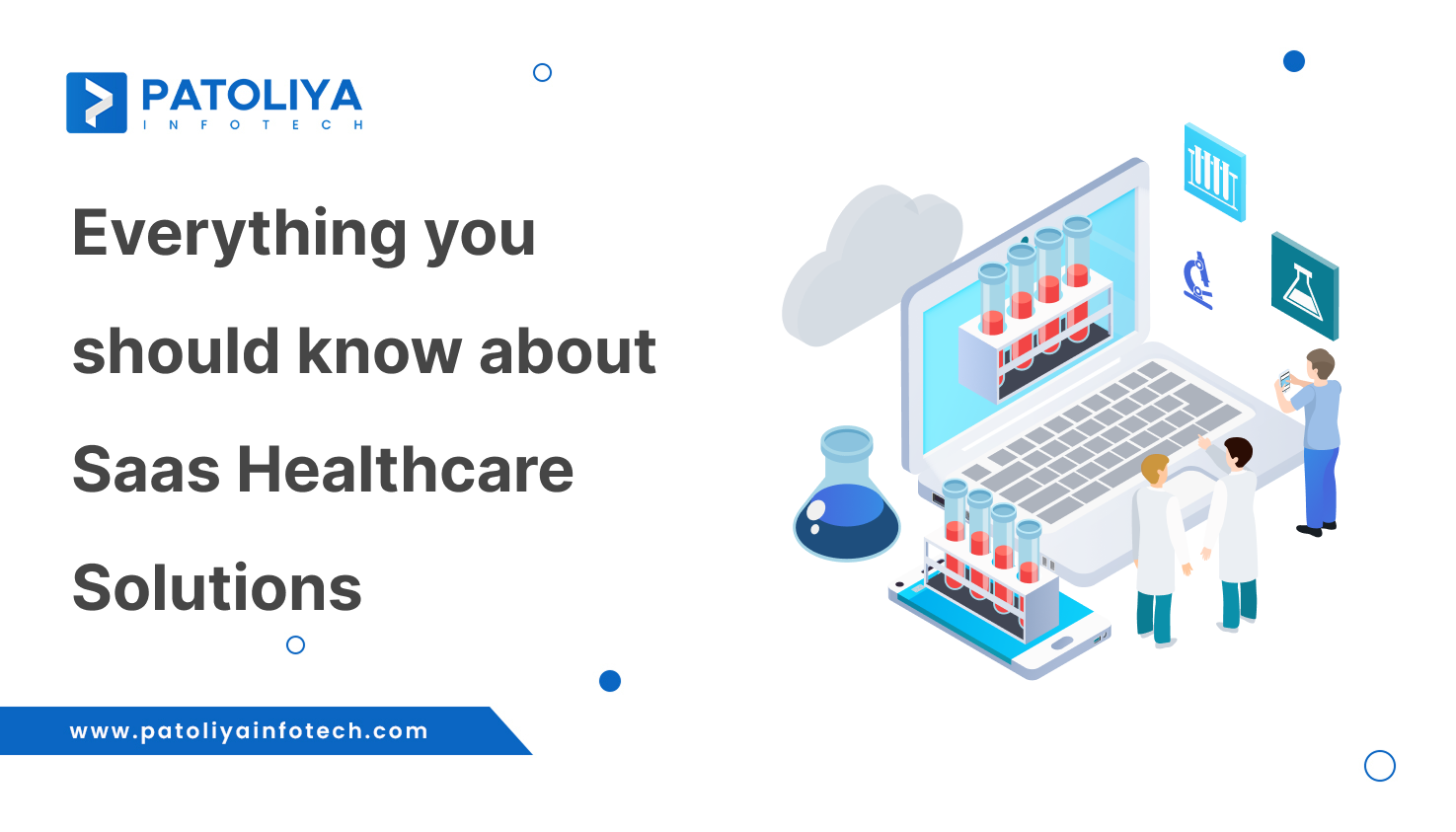
Healthcare Software as a Service (SaaS) is a type of cloud technology in healthcare. SaaS solutions are ready to use, whereas cloud hosting is done by providers. So both are pre-built tools, and users only need to use them; maintenance, scalability, and compliance are handled by third-party companies.
Saas was introduced in early 2000 as a way to use software online. There is no need to install software on each computer; just one is sufficient for all tasks. Later, from 2006 to 2015, cloud computing increased. During the pandemic, patient numbers increased. Physical software demands integration and scalability over time. This increases the cost and danger of security. To satisfy demand, healthcare is shifting to cloud-based solutions.
With the rise of predictive analytics tools and artificial intelligence automations, this SAAS solution enables patients to receive remote and proactive care.
Healthcare Software as a Service (SaaS) is a cloud-based software model that provides digital infrastructure to healthcare, allowing all departments to function online. This department could encompass a wide range of activities, from clinical procedures to diagnostics.
Third parties provide this at a membership fee. You have to pay for whatever you use. It's simple to scale, and healthcare doesn't need to invest in physical software. It reduces the expense of maintenance and the danger of integrating new technology with existing ones.
This works online, allowing users to access and operate all data from any location. For many healthcare branches, the internet infrastructure provides an overview whenever the user wants. This improves departmental coordination and makes it easier to scale when demand increases.
Data is transformed into actionable insights by EHR and EMR systems. Health records and ongoing treatments are simply and promptly accessible to medical specialists. Increased patient safety, integrated care, and quicker diagnosis result from this.
Patients are encouraged to take part in their healthcare journeys through patient portals. Patients can schedule appointments and perform other chores via portals, which also include lab results, prescriptions, and appointment records. Cloud-based portals automate tasks and save administrative workload.
Scheduling and appointment software automates reminders, online booking, and service scheduling. Using digital health platforms ensures that scheduling data is synced across devices. This improves efficiency and customer satisfaction.
Billing and revenue cycle management are crucial to an organization's efficient cash flow. Medical practice management software automates and tracks claim submissions and payments. This saves time and lowers financial risk. Healthcare software as a service streamlines financial processes, audits, and reporting.
Telehealth facilitates video consultations and promotes patient care. When this is integrated with healthcare cloud solutions, virtual visits are automatically recorded and synchronized with patient records. Healthcare software as a service helps with chronic disease management. Additionally, guarantee compliance with healthcare regulations.
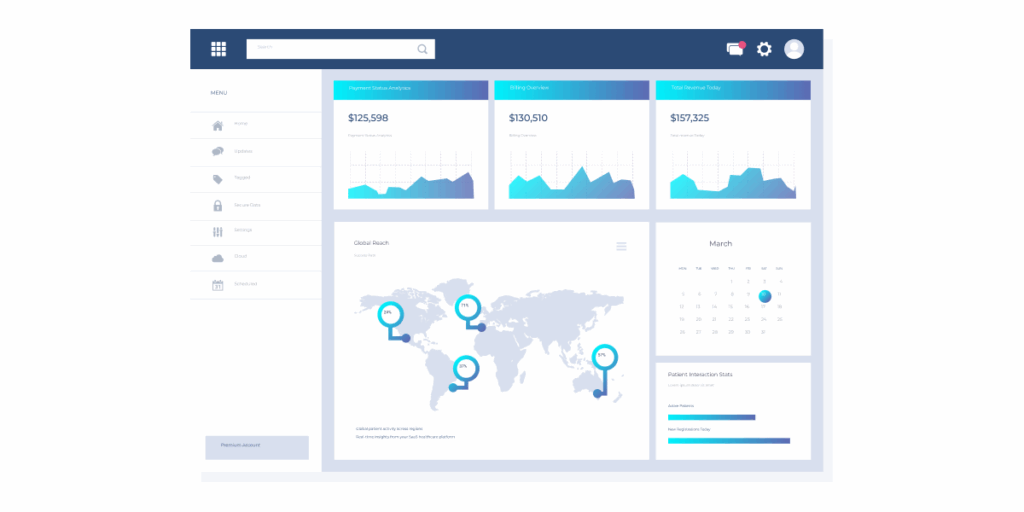
Actionable insights enable better decision-making. Cloud-based healthcare software includes analytics dashboards. This integrates patient outcomes, operational information, and financial performance into simple reporting. This enables clinicians to recognize trends, anticipate patient requirements, and optimise resources. This is the best feature of the healthcare software as a service platform.
Healthcare cloud solutions offer compliant storage for all medical records, images, and sensitive data. This ensures Data is encrypted, backed up, and recoverable for safety.
Adopting healthcare software as a service eliminates the need for costly on-premise infrastructure. Anyone can access powerful digital health tools without making big capital commitments. This makes it cost-effective for a variety of practices.
Healthcare cloud solutions enable your system to scale as the number of resources rises. You can add users, storage, and new modules without requiring IT setup.
Healthcare software as a service providers manage software upgrades, bug fixes, and security patches. This ensures regulatory compliance and reduces cybersecurity threats.
Cloud-based healthcare solutions allow for faster adoption than physical software. This minimizes downtime and promotes all IT benefits to modern healthcare.
Healthcare cloud solutions are designed to interact with existing systems. This could include EHR or EMR, billing software, and telemedicine technologies. This supports efficient processes and a common understanding of patient care.
Healthcare firms can transfer IT maintenance to the cloud by utilizing healthcare software as a service. This help crew does not manage servers, upgrades, or backups. This results in operational efficiency.
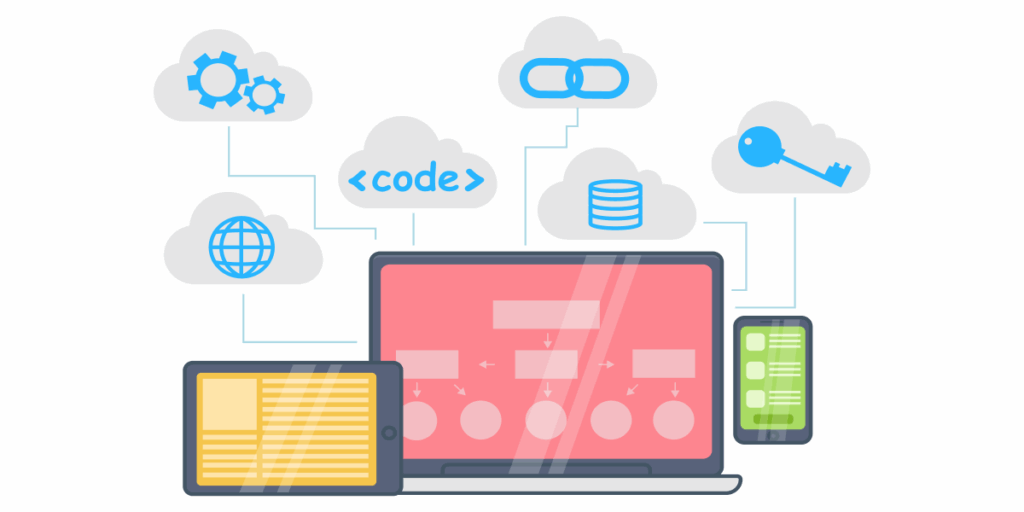
Healthcare Software as a Service reduces the cost of servers and physical hardware. This allows for the usage of advanced tools without the need for additional program installations.
Companies must pay for the use of modules and users. This is one type of membership fee. This makes SaaS models more cost-effective, and businesses can extend their services as needed.
Providers may access patient records, analytics, and operational data from anywhere because this SaaS application is online. This enhances decision-making and coordination.
The upkeep, backups, and security of your server are handled by cloud providers. They guarantee uninterrupted operation with few interruptions. This makes it easier for the team not to focus so much on IT concerns.
| Category | Healthcare SaaS (Software as a Service) | Healthcare Cloud (Cloud Computing) |
| What it really means | Healthcare software as a service is ready to use; simply log in and start working. | All healthcare apps and data are hosted and powered by the cloud architecture. |
| Main focus | The software that physicians, nurses, employees, and patients utilize daily. | the technology that runs behind the scenes, including servers, storage, databases, and networks. |
| How do you access it | Using a mobile app or browser, no installation is required. | accessible through IT systems and software that rely on cloud performance. |
| Payment model | subscription on a monthly and annual basis. | Pay for the cloud resources you use, such as bandwidth, compute, and storage. |
| Setup required | Hardware and physical servers are not required. | Everything operates on distant cloud data centers, negating the need for local servers. |
| Common examples | RCM software, telemedicine tools, and EHR or EMR systems. | cloud servers that house analytics engines, PACS imaging storage, and EMR databases. |
| Who interacts with it | Physicians, nurses, administrative staff, and patients. | mostly utilized by backend systems, developers, and IT teams. |
| What problem does it solve | This helps in the seamless operation of the hospital's everyday activities, including billing and appointments. | This ensures the system's continued speed, scalability, security, and availability. |
| Updates | Upgrades and new features are released automatically. | In the background, cloud providers improve servers, storage, and security. |
| Security role | protection and compliance at the app level. | backups, secure hosting, access control, and encryption at the infrastructure level. |
| Data storage | incorporates data storage into the SaaS application. | securely stores big datasets, including backups, logs, photos, and EMRs. |
| Scalability | Quickly add extra branches, users, or modules. | Increase processing or storage capacity whenever data volume increases. |
Healthcare software as a service automates administrative and clinical procedures. The saas model enables teams to access data and resources from any location. This speeds up the procedure.
The cloud centralizes all data and departments, so everyone receives the same information. Also, department coordination improves. This facilitates collaboration and increases data accuracy.
SaaS platforms enable providers to personalize treatment strategies. This is based on the patient's information, history, and preferences. Standard tools provide insights and statistics, allowing teams to develop better treatment plans and decisions.
Booking appointments is made simpler, and missed appointments are avoided with automated scheduling and reminders. Every activity becomes simpler for employees and patients when these solutions are used in conjunction with cloud-based healthcare systems.
Accurate and easily accessible patient records are guaranteed by cloud-based EHR and EMR solutions. Test results, medications, and treatment notes are updated thanks to healthcare software as a service.
Cloud solutions use strong encryption algorithms to protect patient data in transit and at rest. This ensures that critical health information is kept safe and protected from unauthorized access.
You may decide who can view and modify patient records with role-based access control. Certain data can only be accessed by authorized persons thanks to healthcare software as a service. This reduces the danger of breaches while retaining trust.
Healthcare software as a service is based on healthcare laws and compliance. This could be HIPAA, GDPR, or national-specific. Healthcare cloud solutions assist enterprises in meeting legal obligations by ensuring patient privacy and securing sensitive information.
Comprehensive audit logs keep track of system activity, including who accessed data and when. The saas platform provides transparent trails. This trail facilitates accountability, security audits, and regulatory reporting.
Healthcare cloud solutions include reliable data restoration, automatic backups, and disaster recovery plans. This ensures that healthcare activities continue efficiently during unexpected events.
| Type of Healthcare SaaS | Meaning | Use Cases | Real-Life Example |
| Clinic management SaaS | Cloud-based software for managing the everyday operations of small to medium-sized clinics. | Patient registration, appointment scheduling, billing, and inventory control. | A family clinic employs a SaaS platform to digitally manage appointments, bills, and patient histories. |
| Hospital management SaaS | Comprehensive cloud-based solution for managing major hospital operations. | EHR/EMR administration, employee cooperation, invoicing, pharmacy integration, and monitoring of test findings. | SaaS is used by a multispecialty hospital to automate invoicing, manage departments, and give real-time access to patient data. |
| Telemedicine SaaS | Cloud software makes virtual care and remote consultations possible. | video consultations, remote monitoring, patient communication, and follow-ups. | Through a telehealth initiative, patients in remote areas can have video consultations with physicians and obtain medications online. |
| Diagnostic center SaaS | Cloud-based platform for imaging and diagnostic administration. | Test scheduling, inventory control, report creation, and lab result management. | SaaS is used by a pathology lab to securely share reports with patients, upload lab findings, and schedule tests. |
| Specialty-specific SaaS platforms | Cloud solutions designed for particular medical fields. such as physiotherapy, dentistry, and ophthalmology. | Workflows are unique to a given area of expertise, patient involvement, treatment tracking, and record keeping. | A dental SaaS platform is used by a dental clinic to manage treatment plans, patient charts, and appointment reminders. |
Stable internet connections are essential for healthcare cloud solutions, which can be challenging in places with poor connectivity. Telehealth services and other operational efficiencies depend on the internet.
The team may need some time to adjust to new digital tools, cloud-based procedures, and workflows. Adoption success depends on the use of appropriate change management techniques.
It can be difficult to transfer operational and patient data to a cloud-based platform. To avoid data loss, uphold compliance, and protect the integrity of prior medical data, make sure the migration is secure.
To fully utilize new SaaS platforms, employees must receive training. To effectively navigate the system and make use of its advanced capabilities, providers and administrative teams require guidance.
Cloud solutions use APIs, which makes it simple to interact with other systems. This enables the SaaS platform to integrate with current systems. This ensures effective workflow across departments while also reducing integration risks.
In order to provide individualized, data-informed care, lab results can be automatically incorporated into a patient's electronic health record, telehealth visits can be seamlessly connected to the patient's record, and healthcare insurance verifications can take place.
White label options enable hospitals, clinics, and telehealth providers to identify the platform as their own. This provides a consistent patient experience while utilizing advanced SaaS features. This eliminates the need to develop software from scratch.
SaaS platforms can be customized with modules to fulfill the demands of various departments. This could include billing, radiography, lab management, or pharmacy. This increases efficiency and reduces errors.
Healthcare software as a service can be tailored to match particular processes in orthopedics, dentistry, ophthalmology, cardiology, and other fields. This helps them handle patient data, treatment plans, and appointments in a way that is appropriate for their business. Also, this involves maintaining high patient care quality and operational efficiency.
| Feature | Description | Practical Benefit |
| 99.9% Availability SLAs | Cloud solutions for healthcare are built with high uptime promises to ensure that vital systems are always available. | Healthcare teams can access patient data at any time without interruption. This provides continuous functioning of EHR, billing, and telehealth platforms. |
| Cloud Reliability vs. On-Premise Failures | Healthcare software as a service makes use of strong cloud infrastructure, in contrast to on-premise software. | In the case of a hardware malfunction and power outage, systems remain operational. This prevents disruptions to workflow and ensures ongoing patient care. |
| Automated Load Balancing During Peak Hours | SaaS systems automatically handle high traffic volumes and several users at once. | The system maintains speed and performance during busy consultation periods or lab result uploads. This prevents crashes and slowdowns. |
Many healthcare professionals select general and fit for all needs kind of technologies that don't have the depth required for clinical workflows. This frequently results in poor adoption and limited customization.
Sometimes teams choose a solution that suits their size now, but isn't able to cope with future expansion. These platforms slow down and need costly modifications as patient volumes increase. This undermines the goal of healthcare software as a service.
Do not assume Security. Over time, the organization may face serious dangers if certifications, compliance standards, and data protection mechanisms are not reviewed.
Because you are working with sensitive patient health data, security cannot be compromised. Select cloud-based healthcare solutions supported by certifications such as:
Long periods of downtime are unsustainable in the healthcare industry. Even a 30-minute interruption has the potential to disrupt appointments, billing, and patient care. A good SaaS migration plan will include:
Artificial intelligence healthcare software automates repetitive tasks such as appointment triage, report classification, coding help, and clinical documentation. This enhances both clinical workflow and operational efficiency.
Healthcare software as a service offers predictive analytics. This helps in forecasting patient load, identifying high-risk individuals earlier, predicting medication shortages, and anticipating readmissions. This forecasting is useful for disease prevention and proactive care.
Vitals monitoring and telehealth technology will be readily integrated with SaaS systems for remote care. Providers will be able to monitor and view patients' vital signs in real time, respond to triggers early, and adapt care accordingly.
These methods allow for ongoing monitoring and interaction with patients, which improves preventative care with prevents unnecessary hospital visits.
Future SaaS platforms will provide hyper-personalized experiences for patients, ranging from customized follow-ups and reminder plans to treatment routes suited to the patient's specific needs.
Every patient will receive care tailored to their health status, preferences, and lifestyle through the use of AI, behavioral data, and EMR insights.
Healthcare Software as a Service (SaaS) is based on cloud solutions. Cloud is one type of building that you exclusively use, whereas offices within this building are healthcare SaaS platforms. Healthcare SaaS allows real-time collaboration and secure data access. With automation and smart technology, it reduces the stress of complex chores while providing highly individualized care. The primary advantage is that it does not necessitate extensive infrastructure or increased IT expenses.
As patient demand rises, SaaS solutions are the best method to meet patient expectations. Pre-built tools boost departmental communication. This enhances the quality of care. With the integration of technology such as data analytics and artificial intelligence into care, disease prediction is possible, resulting in early treatment. Analytics facilitates decision-making.
An excellent SaaS platform provider has a significant impact on service quality and security. Trust someone like Patoliya Infotech, who has a proven track record in this industry and is a top software development service provider.