Top 10 Logistic Management Systems for 2026
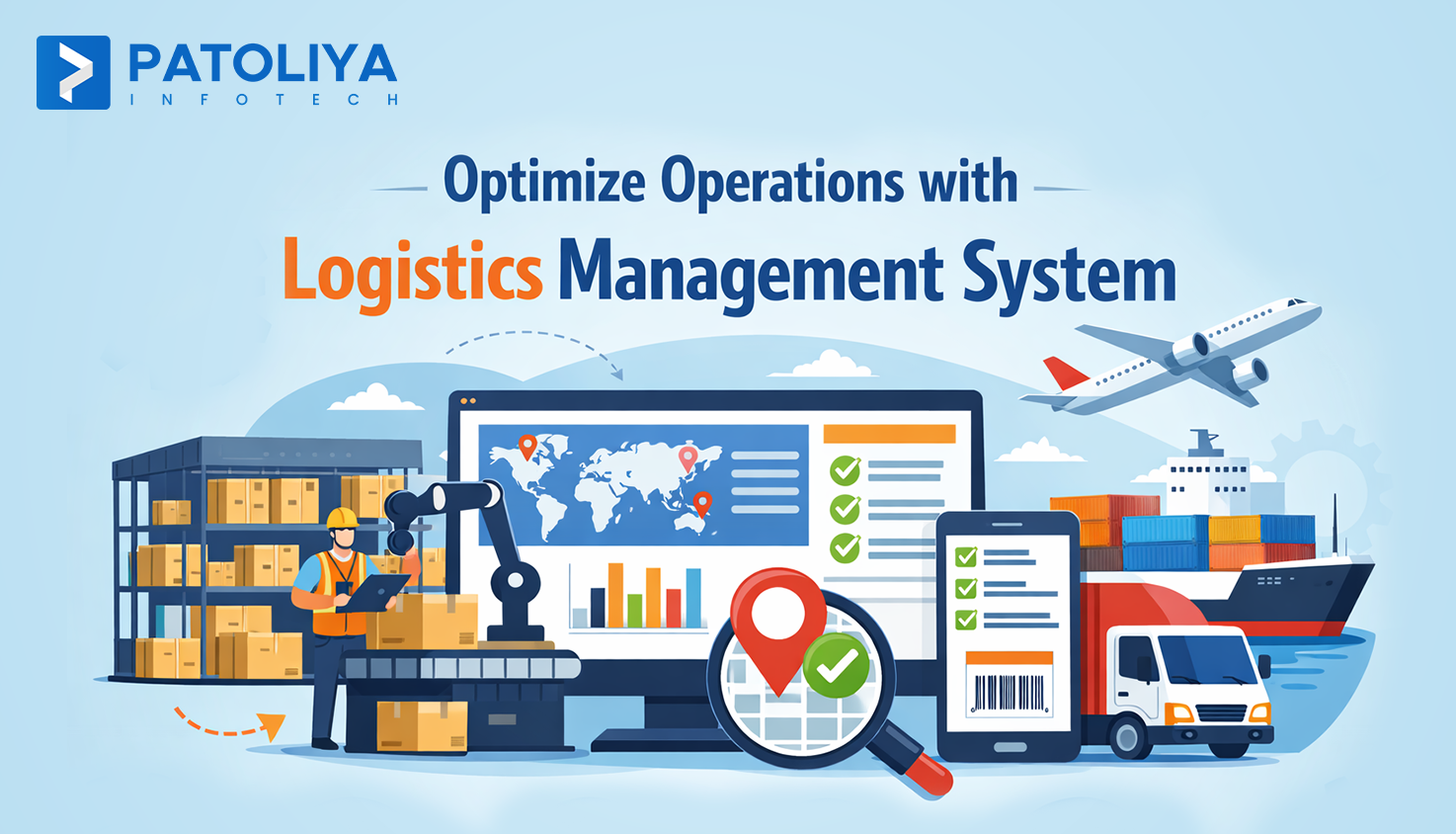
Table of Contents
By 2026, logistics teams will have to deal with more complicated multi-carrier operations, stricter cost controls, and increased production demands. To maintain operational efficiency, a logistics management system needs to work seamlessly with order platforms, dispatch management systems, and WMS, and offer real-time insight.
This guide provides information on how to select the best system based on shipment profiles, geographies, modes, and technology stack, along with a useful selection of ten systems. This helps teams' decision-making while guaranteeing efficient operations and a seamless deployment. The specialized services help to ensure that these systems are implemented and optimized effectively.
What a logistics management system includes in 2026
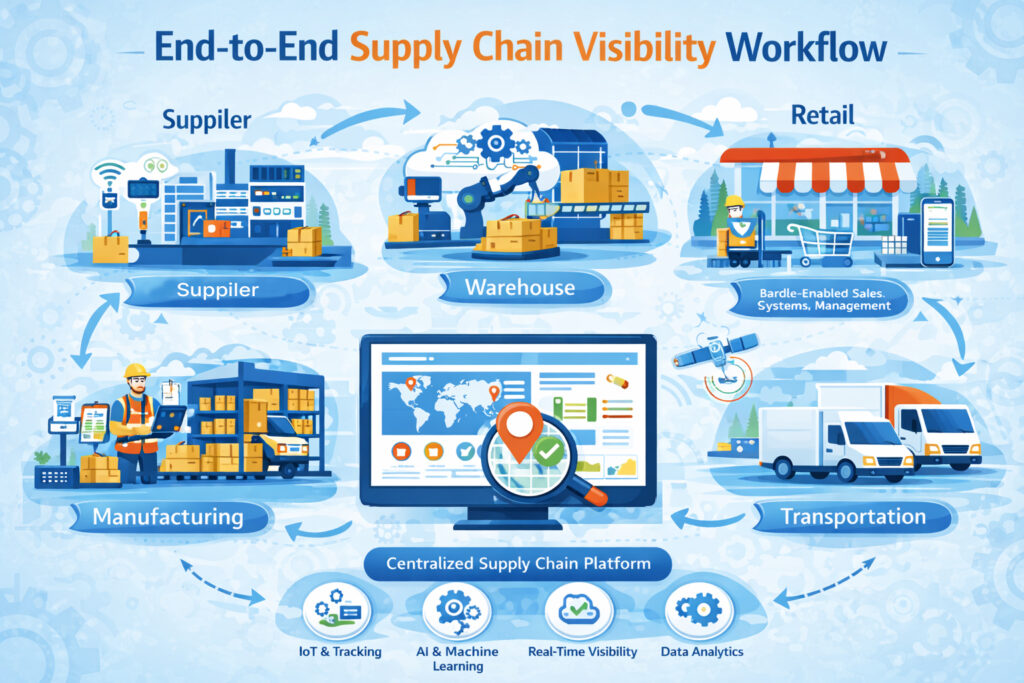
In 2026, a logistics management system will be handling the entire flow of commodities, from inventory to delivery. In order to optimize vehicle routing and shipments, it incorporates order processing, warehouse management, and a transport management system. A shipment tracking system is another aspect of advanced platforms that provides real-time visibility. Businesses can avoid confusing a single tool with a whole logistics management solution by being aware of these factors.
How we shortlisted these 10 systems for 2026
The top ten logistics management system options for 2026 were chosen based on useful and demo-ready standards. We evaluated real-time tracking and exceptions, rate control, the quality of route optimization software, and multi-modal support, including package, LTL, FTL, ocean, air, and rail.
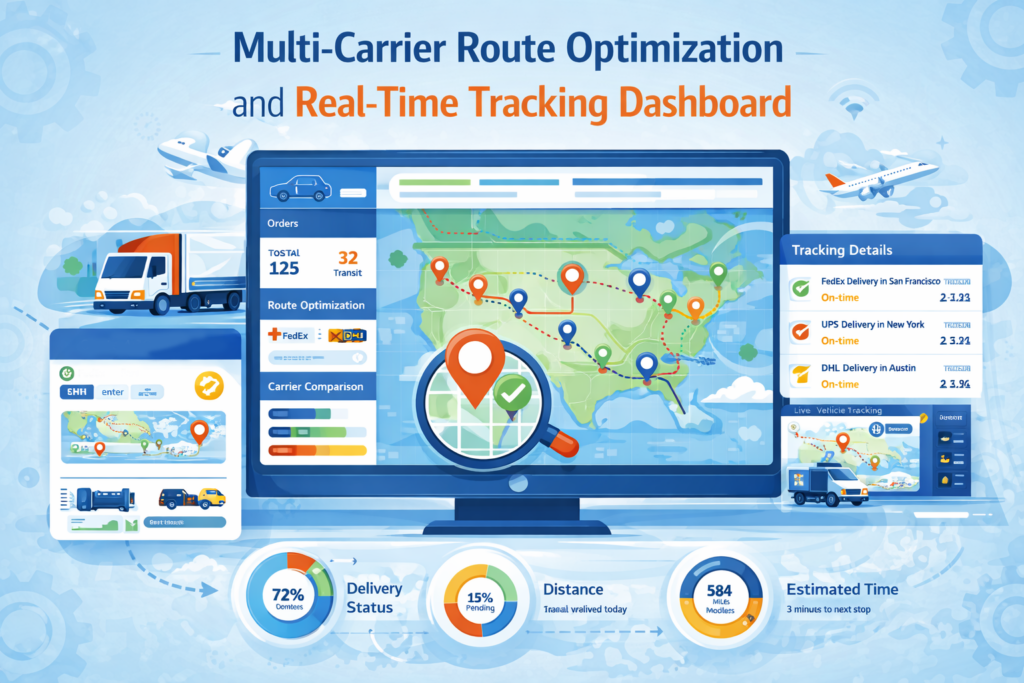
The ability to integrate with markets, EDI, ERP, WMS, and APIs was essential, as was carrier network depth and worldwide compliance. Our choices for the transport management system were also influenced by implementation effort, change management fit, and insights from industry shortlists and review-driven market lists.
Top 10 logistics management system picks for 2026
1. Oracle Transportation Management
It provides complete planning, optimization, and real-time shipment visibility, making it ideal for large organizations. This enables smooth integration with the warehouse management system WMS, ensuring reliable operations. Be aware of complicated implementations that call for experts in the field. This logistics management system is perfect for companies looking for advanced reporting, multi-modal support, and global scalability.
2. SAP Transportation Management
It automates route planning, centralizes freight administration, and offers transportation management system TMS integration, making it appropriate for businesses that are currently utilizing SAP ERP. For smaller businesses, costs could be high. This logistics management system is ideal for businesses that require logistics management software that is in line with ERPs and has strong data analytics and compliance.
3. Manhattan Active Transportation Management
This logistics management system offers real-time carrier tracking, optimum routes, and support for delivery scheduling software, with a focus on merchants and distributors. Additional integration might be necessary for smaller carriers. Best for minimizing transit time and increasing delivery reliability.
4. Blue Yonder Transportation Management
It provides fleet management software integration, dynamic load optimization, and predictive analytics for high-volume shippers. Although setup can take some time, it increases productivity and lowers expenses. This logistics management system is perfect for businesses looking for ways to improve their freight operations.
5. Descartes Systems' logistics and TMS suite
cloud-based solution with last mile delivery software capabilities and multi-carrier connectivity for SMBs and mid-market operators. High-end features might be expensive. This logistics management system is perfect for companies looking for scalable and adaptable cloud-based TMS solutions.
6. MercuryGate TMS, now under Infios, formerly tied to Korber Supply Chain
Designed with freight brokers and 3PLs in mind, it facilitates analytics, automated carrier selection, and multi-modal planning. The learning curve is considerable at first. Ideal for businesses looking for total TMS insight and managing complex logistics networks.
7. e2open Transportation Management and supply chain execution
This logistics management system offers supply chain execution, rate control, and ERP integration with logistics management software, making it ideal for multinational corporations. Implementation requires careful preparation. Perfect for businesses that desire complete control over international shipping.
8. Trimble Transportation suit
It provides freight audits, route optimization, and mobile fleet visibility for mid-market carriers and shippers. This logistics management system includes several multi-modal capabilities. Ideal for businesses that prioritize freight cost reduction and operational efficiency.
9. 3G TMS
For small to medium-sized businesses, the TMS is a simplified transportation management system. It offers dashboards for reporting and expense control. less appropriate for complicated international logistics. Perfect for companies that require a user-friendly TMS solution.
10. Uber Freight TMS, formerly Transplace
It provides visibility tools, load matching, and carrier network access, making it ideal for rapidly expanding retail and e-commerce shippers. This supports seamless operations by integrating with the warehouse management system WMS. Customization may be limited by an over-reliance on digital platforms. This logistics management system is ideal for businesses looking for strong digital freight connectivity and quick onboarding.
Which system fits you best, a quick decision guide
It's important to match the capabilities of the logistics management system you choose with your operating requirements. Using this approach ensures that you choose a practical and tailored solution that optimizes delivery efficiency, minimizes errors, and grows with the enterprise.
Small businesses – Select a logistics management system that is easy to use and has essential functions like reporting, basic invoicing, and shipment tracking. Pay attention to cost and usability.
Mid-size shippers – For increased effectiveness and cost control, give priority to logistics management systems that offer multi-carrier support, route optimization software, and connectivity with your current WMS.
Large enterprises – For complex supply chain logistics management, you need an entire logistics management system with features like analytics, worldwide compliance, and intelligent automation.
E-commerce and last-mile-heavy operations – Choose software that offers smooth carrier communication, real-time tracking, and delivery scheduling to ensure quick and consistent fulfillment.
Implementation pitfalls that derail LMS projects in 2026
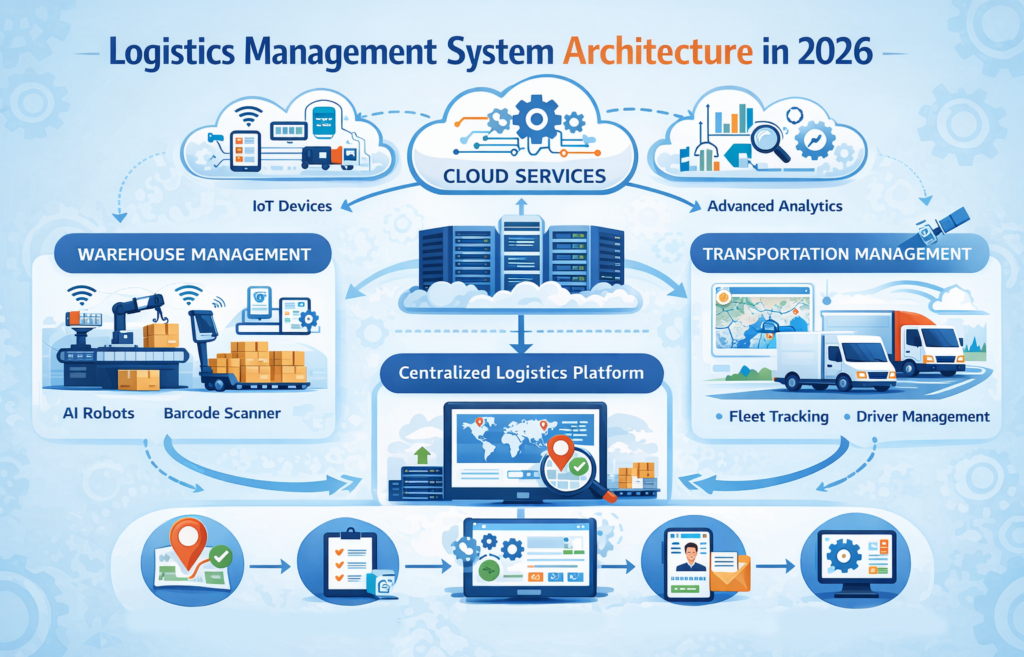
If a transport management system is selected without evaluating carrier coverage, modes of support, or route flexibility, it may lead to regional delivery delays and limitations.
The lack of integration of the logistics management system with the warehouse management system WMS, logistics management software, or ERP system leads to unconnected information, redundant work, and reduced efficiency.
Ignoring supply chain visibility software disrupts operational transparency and decision-making by limiting real-time insights on inventory, shipments, and exceptions.
Inadequate user training, poor change management, and a lack of stakeholder alignment reduce adoption rates and overall ROI.
Ignoring phased rollouts and not testing under real-world settings frequently results in mistakes, downtime, and costly rework, which can be avoided with proper guidance.
How Patoliya Infotech helps you win with a logistics management system
As a strategic execution partner, Patoliya Infotech helps companies optimize the capabilities of their logistics management systems.
We start by mapping your needs to a shortlist, converting your lanes, modes, SLAs, and operational limitations into a vendor scorecard to find the best option. Real-time operational insights are provided via integration buildout, which ensures smooth communication with ERP, WMS, marketplaces, EDI, carrier APIs, webhooks, and supply chain visibility tools.
Exceptions, returns, proof of delivery, claims, detention, and delivery scheduling software logic are all handled by custom workflows, which make sure that procedures fit your particular business needs.
Patoliya Infotech helps teams reduce errors, speed up shipments, and achieve measurable supply chain efficiency gains by fusing extensive industry knowledge with adaptable logistics management software deployment.
Conclusion
You can choose the best logistics management system based on your shipping volume, network complexity, integration footprint, and desired level of operational optimization. The reliability of logistics management software and the effectiveness of transport management systems improve visibility, simplify operations, and eliminate supply chain errors. An informed decision will help to achieve faster delivery, better resource utilization, and increased efficiency, positioning your business for scalable and sustainable logistics success.
FAQs
What is the difference between a logistics management system and a transport management system?
While a transport management system concentrates on the planning, carrying out, and optimizing of shipments within that larger workflow, a logistics management system handles the entire supply chain.
Do I need a warehouse management system wms if I already have a TMS?
Yes, by controlling inventory, storage, and fulfillment, a WMS enhances a transport management system. It ensures smooth supply chain visibility and efficiency when used in conjunction with a logistics management system.
Which features matter most for shipment tracking system accuracy in 2026?
Shipment visibility and reliability are enhanced by precise GPS tracking, real-time updates, exception notifications, ERP/WMS integration, and connectivity within a logistics management system.
How do I evaluate route optimization software without overpaying?
Examine its cost-effectiveness, scalability, delivery volume requirements, and interaction with your logistics management system. Make sure it enhances the planning of the transport management system without replacing the current tools.
What integrations are required for a modern logistics management software rollout?
To function effectively with a transport management system, a logistics management software must have ERP, WMS, markets, carrier APIs, and event streams.
How long does it take to implement a logistics management system for mid market teams?
Depending on network complexity, integrations, and customisation requirements, implementation typically takes 6–16 weeks. Deployment is accelerated by effectively configured transport management systems and logistics management software.