HRIS Information System Guide for Growing Businesses in 2026
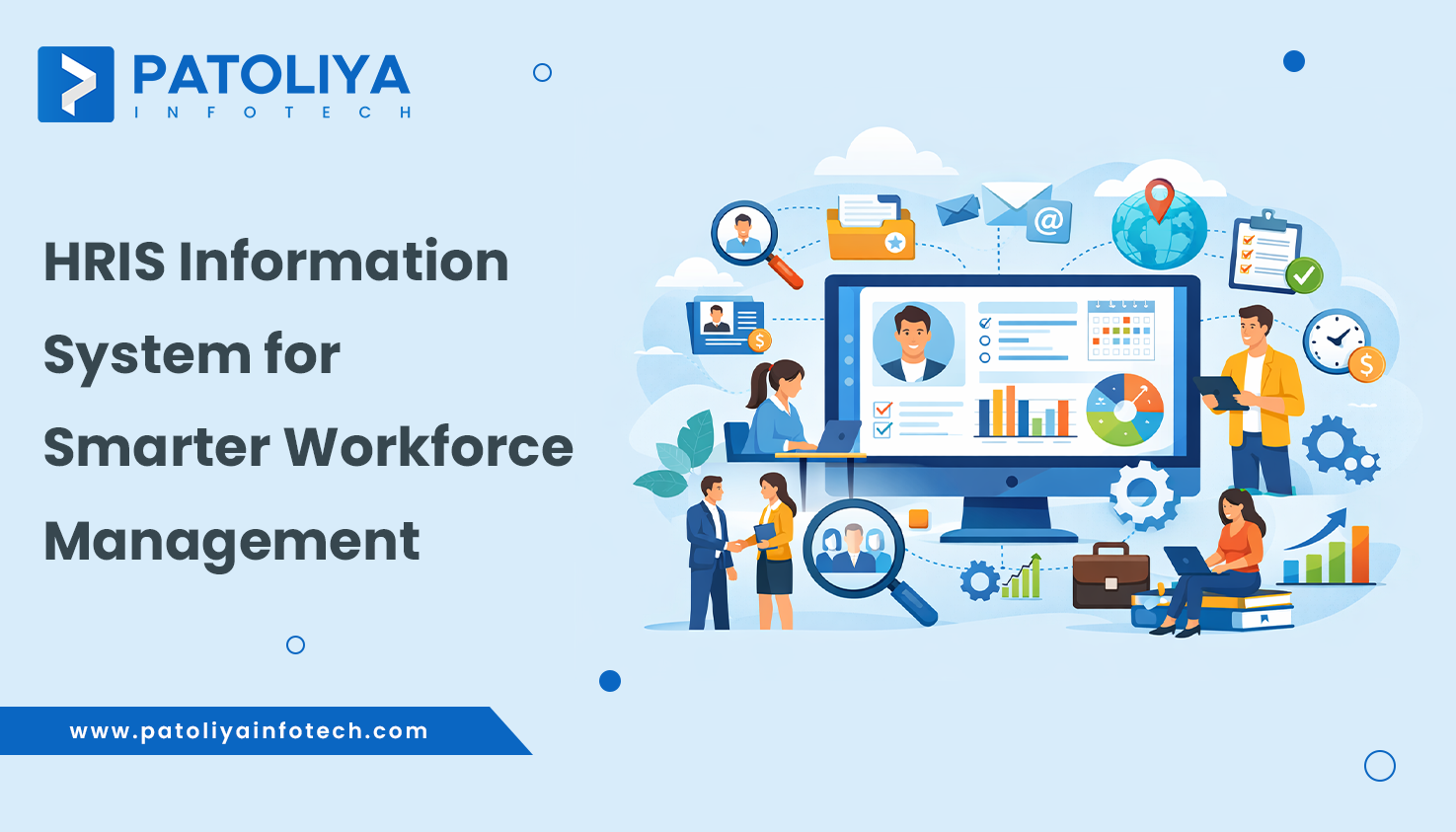
Table of Contents
The adoption of HRIS information systems accelerates in 2026 as HR departments find it difficult to meet increasing operational needs. Manual processes are becoming less efficient due to a growing workforce, remote and hybrid teams, increased regulatory requirements, and the need for real-time workforce analytics. Email-based approval, spreadsheets, and disjointed tools cause reporting gaps, slow operations, and increase errors.
Traditional approaches are unable to meet leadership demands for fast and data-driven HR decisions. Business performance is directly impacted by compliance risks, delayed onboarding, and payroll errors. Organizations are moving towards HRIS information systems as business-critical infrastructure to close these efficiency gaps. In a single scalable system, the Human Resource Information System acts as a core infrastructure that integrates analytics, automation, compliance, and personal data.
What Is an HRIS Information System and Why It Matters in 2026
An HRIS information system is a centralized software program that integrates payroll, hiring, performance monitoring, and compliance management on one platform, thus optimizing human resources operations. In 2026, businesses will have to deal with more complicated remote work, faster staff changes, and rising data requirements.

Because of this, collaboration with the technology partner for HRIS implementation is essential for productivity and strategic decision-making. It improves accuracy while lowering administrative load by combining leave management, performance indicators, and personnel data.
Employee database management is one of HRIS's primary features. In order to make more informed hiring and retention decisions, HR teams can use this to keep current data, monitor skills, and examine workforce trends. Analytics dashboards, mobile access, and automation are features of HRIS information systems. As a result, Teams can react quickly to organizational demands. An Human resource information system ensures that HR operations are accurate, efficient, and prepared for the future for companies looking to grow or adjust to changing markets.
Core Functions of a Modern Human Resource Information System
A modern HRIS information system centralizes all HR functions on a single platform, making management more efficient. From recruiting and onboarding to payroll, performance reviews, and benefits, a human information system manages it all.
Attendance tracking systems are an important component that reduces errors and confusion by accurately documenting work hours, holidays, and shifts. Because all employee data, qualifications, and career development are stored in one place, information can be easily accessed, and reports can be generated more quickly. Automated alerts make it easier for companies to comply with labor laws and company policies.
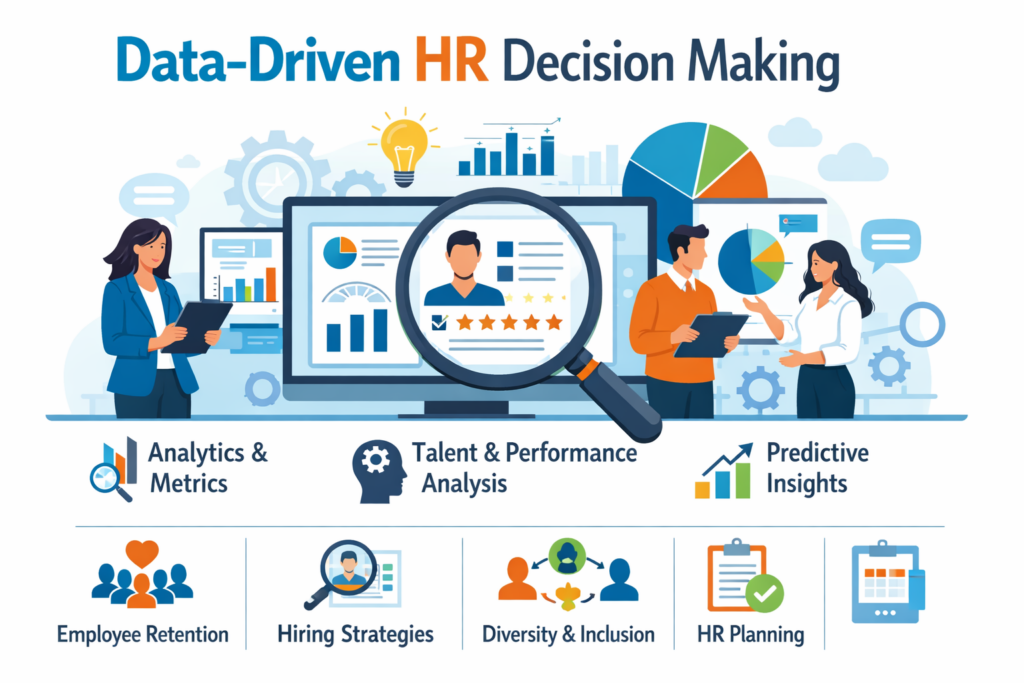
Analytics dashboards on modern HRIS information systems provide information about work patterns. This encourages intelligent decisions about hiring, retaining, and developing employees. HR teams can focus on strategic priorities by automating repetitive tasks, which also saves time and reduces errors. Companies can make better decisions, manage their employees more effectively, and optimize HR processes by using Human resource information systems.
How HRIS Information Systems Improve Business Outcomes
By integrating all HR-related processes on a single platform, a correctly implemented HRIS information system improves the company's operations. Hiring, onboarding, payroll, and benefits administration are handled by a personnel information system. HR staff can focus on important tasks as a result of a reduction in administrative errors.
Key components, including performance management systems hr, enable businesses to monitor worker performance, set goals, and recognize growth potential, all of which increase worker productivity. Gathering all employee data in one place simplifies reporting and decision-making, and accurate timekeeping, attendance, and leave management ensure authenticity and uniformity.
A HRIS information system facilitates informed hiring, retention, and skill development decisions by automating repetitive tasks and offering analytics dashboards. This improves employee satisfaction, speeds up HR procedures, and produces measurable financial results for the company.
HRIS Information System vs Traditional HR Software
Traditional HR software often functions as independent modules or separate systems for recruitment, payroll, and attendance. As a result, data becomes scattered and challenging to manage. While spreadsheets and disjointed tools can be effective for small teams, they are ineffective on a larger scale, resulting in errors, duplication, and slow decision-making.
HRIS information systems provide an integrated platform that connects all HR operations. A human resource information system allows efficient processes, real-time updates, and accurate records. Managers can quickly gain actionable insights with features such as HR analytics and reporting, which improve HR strategy and planning.
Purchasing a human resource information system is a long-term infrastructure option. Unlike traditional technologies, it facilitates expansion, reduces administrative stress, and ensures that HR operations are future-ready, scalable, and efficient.
Key Challenges Businesses Face While Implementing HRIS Systems
There are practical challenges in implementing an HRIS information system. Data migration is one of the main issues. It can be difficult and time-consuming to transfer salary, profit data, and employee records from an old system. Another challenge is low acceptance among employees; Teams may be hesitant to abandon popular tools due to a lack of adequate training and communication.
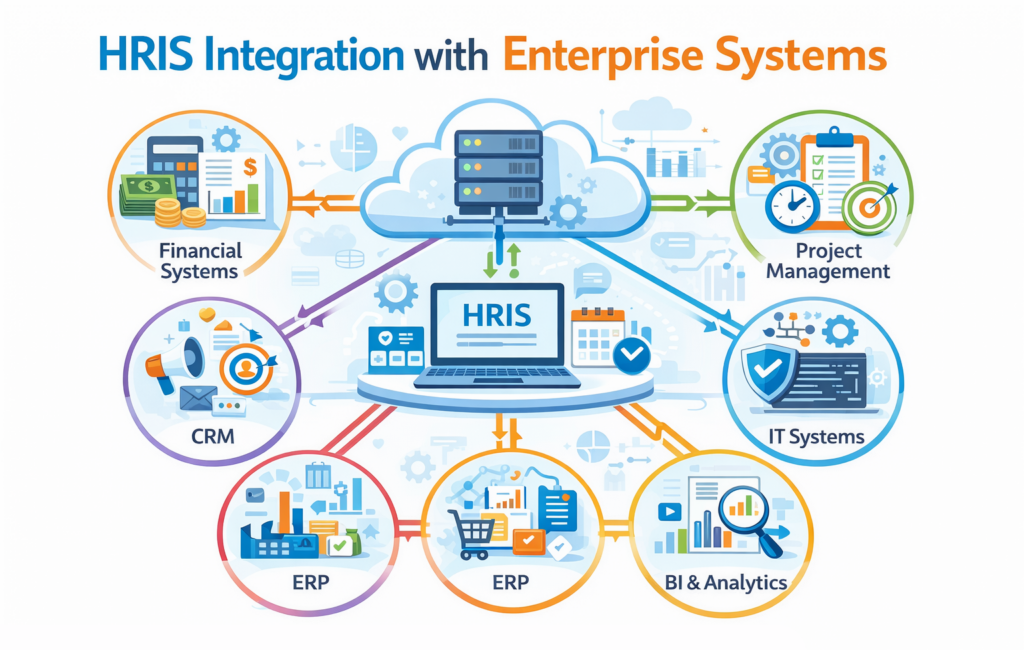
Scalability and customization must be balanced. While under-optimizing can lead to significant backlog, over-optimizing for short-term needs can limit future expansion. To keep operations smooth and prevent silos, integration with current payroll, finance, and other enterprise technologies is essential.
Furthermore, to ensure accuracy and compliance, modules such as the Leave Management System must be carefully installed. By overcoming these obstacles, the HRIS information system will guarantee better employee satisfaction, long-term efficiency, and data-driven decision-making.
How Patoliya Infotech Helps Businesses Succeed with HRIS Information Systems
Acting as a trusted execution partner, Patolia Infotech helps organizations implement HRIS information systems tailored to their specific workflow and objectives. They ensure the smooth operation of HR processes, including hiring, payroll, and performance management system HR, by creating customized Human resource information systems.
One of the main advantages is integration. By integrating HRIS platforms with payroll, ERP, and attendance systems, Patolia Infotech removes barriers to growth and increases productivity. The scalable architecture ensures that the HRIS information system will continue to function continuously and without interruption as the teams expand.
An employee self service portal is another element of modern solutions that gives employees the ability to access data, change records, and handle requests themselves through the HRIS information system. Through a combination of customized development, integration insight, and future-ready scalability, Patolia Infotech revolutionizes HR operations, reduces administrative burden, and empowers companies to make data-driven decisions with confidence.
How to Choose the Right HRIS Information System for Your Organization
The HRIS information system you choose can change the way your company handles personnel.
Your first step should be to assess the size and composition of your personnel. By doing this, you can ensure that the system grows with your team.
Check regional compliance standards to ensure your Human Resource Information System maintains legally acceptable HR processes. Emphasize useful features such as a self-service employee portal, time off management, performance tracking, and automated payroll.
Remember to integrate with existing tools to ensure smooth data flow inthe HRIS information system. An HR compliance management system simplifies audits and reporting for companies with strict laws.
Using this proactive approach, you choose an HRIS information system that streamlines processes, increases output, and promotes long-term growth.
Conclusion
By 2026, extended and distributed teams can no longer be supported by manual HR processes. Payroll, compliance, performance monitoring, and workforce analysis are all centralized by a well-executed HRIS information system. By using scalable human resources information systems, organizations can increase decision-making efficiency, improve reporting accuracy, and reduce administrative errors.
Workforce planning, compliance, and operational visibility are supported by integrated solutions such as time and attendance software. Companies that view HR technology as infrastructure benefit from data-driven agility, regulatory confidence, and long-term efficiency. Purchasing an appropriate HRIS information system ensures long-term growth and subsequent business wealth.
FAQs
What is the difference between an HRIS information system and an HCM platform?
While HCM systems offer deeper HR functions such as workforce planning, learning, and succession management, an HRIS information system focuses on key HR functions such as payroll, records, and compliance.
Is an HRIS information system suitable for small businesses in 2026?
Yes, modern HRIS solutions are cloud-based and scalable, making them realistic and affordable for smaller companies that need centralized HR data management, automation, and compliance monitoring.
How long does it take to implement a human resource information system?
Depending on your company's size, customization needs, data migration complexity, integration, and employee training requirements, implementation typically takes four to twelve weeks.
Can an HRIS information system integrate with payroll and finance tools?
Yes, most HRIS platforms connect to payroll, ERP, accounting, and attendance systems to ensure smooth data flow and remove duplication across departments.
What security measures are required for employee data in HRIS systems?
Encryption, role-based access controls, multi-factor authentication, secure web hosting, and frequent audits are all essential for HRIS information systems to protect confidential payroll and employee information.
How does HR analytics and reporting improve decision making?
Workforce insights are available in real-time through HR analytics and reporting through the human resource information system. It helps managers make strategic decisions about future workforce planning, performance, cost control, recruitment, and retention.