Table of Contents
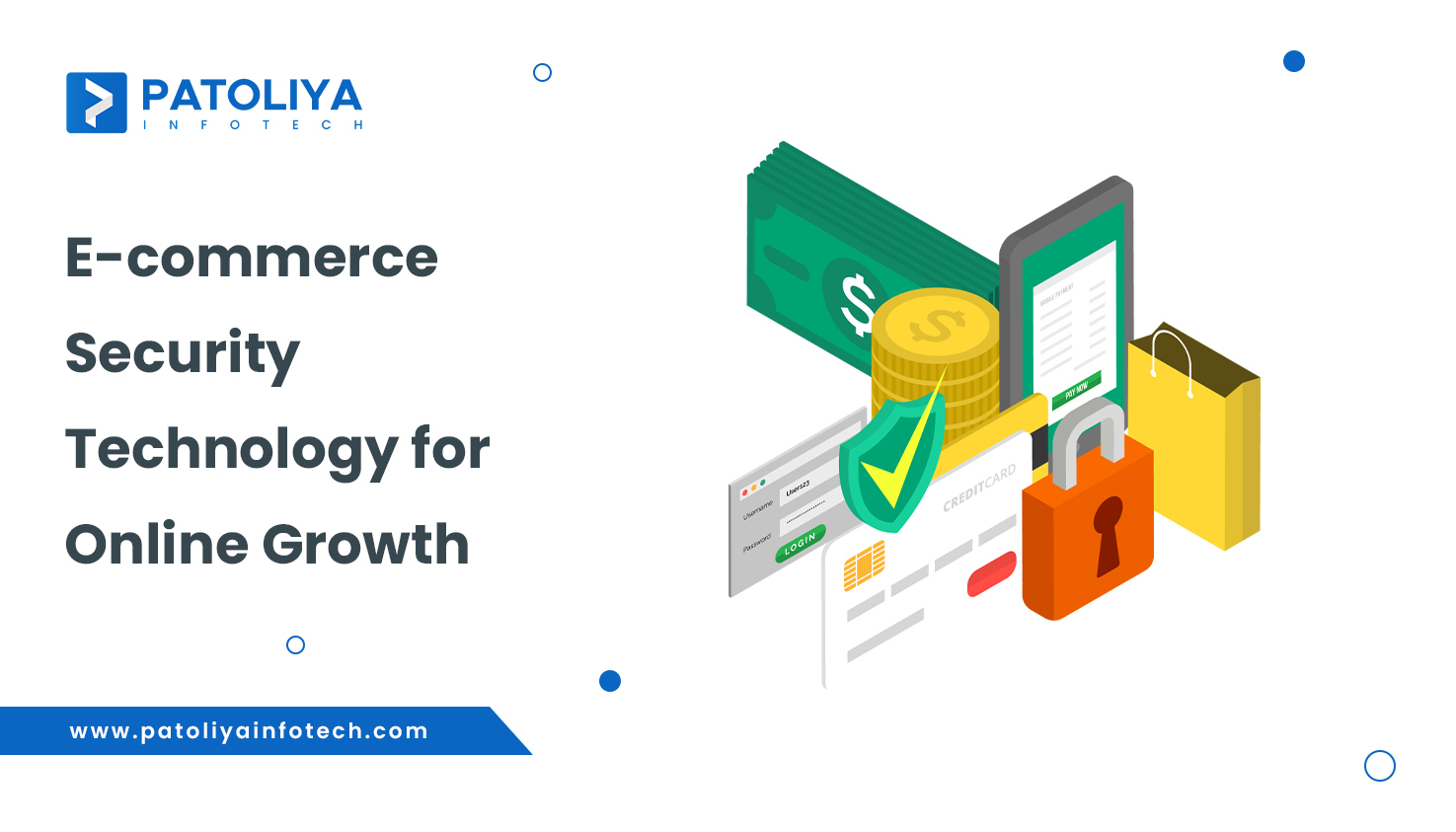
Strong e-commerce security technology is necessary for the growth of the digital retail sector. These days, when customers go to buy, Shopping or grocery applications are popular. The mobile phone becomes the only store for purchasing products.
The global economy grows throughout time. With this, the e-commerce and technology-related sectors are expanding. Since hackers can now directly attack websites, the expansion of e-commerce innovation creates security concerns.
The e-commerce market is projected to reach a valuation of USD 83.26 trillion by 2030. A strong cybersecurity system may be built by anyone with the correct tools and procedures. There are certain protocols and regulations that any e-commerce platform must follow. (Src)
E-commerce security refers to a collection of technologies, protocols, and best practices. This serves to protect online transactions, consumer data, and digital assets from cyber threats.
This guarantees the privacy and security of consumers' payment and personal information when they shop online.
E-commerce security technology refers to the tools and systems that ensure the safety of online transactions.
E-commerce security technology safeguards consumers' private data. These records are passwords and credit card information. Users feel safe when they believe their information is safe with you.
Security can shield you from penalties, particularly for noncompliant businesses. Investing money into security now will help you avoid fines later.
Customers are more likely to buy your products when they have faith in your security. They become loyal consumers. Users download your online shopping app and feel secure using your website. This promotes sustainable business growth.
Comply with regulatory standards such as PCI DSS while making payments. This helps with data privacy regulations like CCPA and GDPR. This helps to make it easy for you to follow rules and compliance.
This provides legal protection and heals you from security trust issues.
High-quality and safe websites help you rank higher in search results and increase organic visitors. Search engines prioritize secure stores. This enables the search engine to make recommendations to your audience.
Fake SMS, emails, and websites that are duplicated to confuse users. This tricked consumers into sharing private information. These details are payment information and login credentials.
You can reduce this with Multi-factor authentication (MFA) and employee training.
Hackers can access websites' data with malicious code like SQL queries. These input fields are similar to forms or search bars. This makes it possible to get authentication and access your inventory and customer data without authorization.
The secret to overcoming it is to use parameterized queries. This can be prepared statements and input validation.
Harmful code and typically JavaScript, is being injected into a webpage. When the client runs the browser, this script runs on the loading page. This is logging keystrokes and taking their session cookies. They are being redirected to another website with this.
To get over it, use output encoding and put a Content Security Policy (CSP) in place.
Malware is malicious software that is installed on a system to spy on it. This collects payment card information and steals passwords. We call this a data breach.
This is one type of malware. Ransomware blocks access to your critical data and systems. The ransom is paid. This results in a direct financial loss. This ransom is paid, resulting in direct financial loss.
To avoid this problem, use intrusion detection systems, next-generation antivirus software, and data backup protocols.
Flooding the server of your website with fake traffic from several infected computers. Your online store is crashing because of this. This is preventing actual customers and leads to a poor customer experience.
Load balancing and dedicated DDoS mitigation services help in this.
Intercepting information being sent between your web server and the client's device. This enables hackers to take data while it is in transit in silence. This frequently targets Wi-Fi networks that are not secured.
To get around that, concentrate on implementing SSL/TLS encryption. such as HTTPS, for the domain.
Limit system access and permissions to those who truly need them. This facilitates the disclosure of private consumer data to outside parties.
This demands a second verification step. This step can involve asking for code from your mobile applications. This makes it difficult for hackers to use stolen login credentials.
This protects technology against brute-force and phishing attacks. This helps with e-commerce security technology.
Employees who receive regular training are better able to identify changing risks. These are sophisticated phishing emails. This helps them understand their responsibility for securing business assets.
These programs keep an eye on servers. These are laptops and mobile devices for any unusual activity. It helps in stopping malware and illegal data stealing.
This is crucial for protecting the privacy of remote employees. This helps to notice who has access to our main e-commerce security systems.
To address known security problems, developers regularly provide patches. When updates are neglected, there are serious security flaws. This makes it easy for external and internal attackers to get access.
Strong e-commerce security technology and compliance are key. This depends on maintaining the modern technological stack.
To encrypt all data, secure your entire domain using an SSL/TLS certificate. This can be sent between your server and the client's browser. This is making sure that your e-commerce security technology has a solid foundation.
Avoids browser warnings and protects data privacy. This is important because it gives search engines the HTTPS signal, which is essential for SEO.
Simply connect with a trustworthy payment service provider. Providers should hold PCI DSS compliance certificates. Never keep client credit card information on your servers.
This reduces the risk of payments and complies with industry guidelines for managing financial data. This is one of the main purposes of e-commerce security.
Use automated vulnerability scanners. Perform penetration tests regularly. This helps to find vulnerabilities. This vulnerability can exist in your network, perimeter, configurations, or code.
Finds vulnerabilities that can cause a data breach. As a result, rapid patching and ongoing e-commerce site security are made possible.
Find out how application security testing can turn your security gaps into growth opportunities.
You must apply patches and upgrades to your content management systems (CMS). All server software, themes, and extensions require this.
Fixes known security flaws. This stops hackers from taking advantage of popular weaknesses. This maintains your e-commerce security systems up to date.
Protect incoming traffic by putting in place a Web Application Firewall (WAF). This automatically prevents frequent attacks. like advanced DDoS attacks, XSS, and SQL Injection.
Set up automatic backups of all the data in your store. This can include media, files, and databases. Keep them safely offline or in an off-site cloud vault.
This guarantees quick recovery from serious incidents and company continuation. This could be a hardware malfunction or ransomware assault.
Make long and complicated passwords mandatory for all users. This requires that passwords be changed frequently. Promote the use of a password manager as well. This is a popular one for e-commerce security technology.
Make use of advanced transaction monitoring technologies. This examines order volume, geography, and buying trends. This is to quickly identify and stop possibly fraudulent transactions.
This is required if the company manages customer credit card information. It secures the safe storage and processing of payment information through your e-commerce security technology.
This regulates your handling of European clients' privacy and personal information. Consent, transparency, and data control are its main focuses. Any international brand using e-commerce security must follow compliance.
This is a key US law of California. This provides users with consumer privacy rights. GDPR is similar to this. This focuses on data transparency and the right to choose not to sell data.
The leading global standard for managing information security. It needs a system to recognize and control security threats. This ensures your international regulatory standards. This resulted in increased consumer trust.
BigCommerce is certified Level 1 PCI DSS compliant. With this, they manage the most complicated aspect of payment security. This certification confirms their secure privacy protection practices. Payment security is built into it. Customers feel more secure when they check out because of this.
Every store has automatic SSL certificates and HTTPS encryption. This is crucial for a secure website. By doing this, brands make sure that data is protected from hackers. This gets done by encrypting all data, from login credentials to critical client information.
Strong firewalls and DDoS protection are in place to safeguard their infrastructure. This is a multilayered defense in operation. When floods strike, DDoS protections keep your store open and functional.
Firewalls are also useful since they stop malicious traffic attempts. Utilizing e-commerce security technology ensures a secure shopping experience.
BigCommerce depends on specific fraud protection integrations and regular third-party security audits. These audits check their platform for vulnerabilities on a regular basis. This reduces the dangers of cyberattacks.
Top fraud prevention systems are easily integrated with BigCommerce. This collaboration makes it possible to use complex algorithms to automatically inspect transactions. This helps to detect suspicious purchases. This improves the e-commerce platform's financial security.
BigCommerce provides developers with safe Application Programming Interfaces (APIs). This provides safe communication between your website and third parties. This enhances technology integration and customization.
This is the fundamental technology for e-commerce security. SSL/TLS encryption intercepts all data passing between a customer's browser and your server. It is the icon of a padlock. This protects user data security. These data include personal information, passwords, and credit card numbers.
The login procedure gains a crucial second step with Two-Factor Authentication (2FA). Without a second factor, someone who stole your information cannot gain access.
AI and machine learning enable computers to evaluate millions of data points in real time. This helps to recognize fraudulent actions. This can be an excessive number of transactions from a new IP address. Explore the shift from traditional firewalls to intelligent cyber defense.
A Web Application Firewall (WAF) blocks vulnerabilities. This can be SQL injection and malicious traffic.
It protects the applications and code of your store. This prevents disruptions and data theft on your website.
Secure payment gateways help to process and securely transmit payment information. Contracting with licensed companies to handle payment is one of the best decisions. This helps merchants to comply with strict regulations.
Data tokenization replaces sensitive payment information with a non-sensitive token placeholder. This technique guarantees that the stolen data is worthless to criminals in the event of a breach. It provides excellent data protection and reduces the risk involved in keeping client data.
Using a cloud security platform involves enterprise-grade protection managed by professionals and regular updates for your store. Scalability, continuous monitoring, and quick threat response are guaranteed by this modern infrastructure. The goal is to establish a safe environment for modern e-commerce security.
| Tool Type | What It Does | Real-Life Example |
| SSL Certificate Provider | Encrypts any information sent between your website and the customer. This protects payments and passwords while verifying your user IDs. | Encrypt is used to provide each client with the recognizable padlock icon in their web browser. This confirms the privacy and security of your connection. |
| Firewall Protection | keeps unwanted web visitors away from your store. This prevents hacking attempts such as brute-force assaults and script injections. | Using cloud-providing businesses to filter out malicious bot traffic and absorb huge DDoS attacks. This must be completed before it gets to the server of your store. |
| Malware Scanning | You have to check viruses, backdoors, and other malicious code on a regular basis. | Security scans are run daily. This helps to detect and delete small pieces of malware. Not doing this can steal client information and divert traffic. |
| Fraud Detection | Use intelligent technology to examine consumer purchasing patterns and identify unusual orders. This can involve credit card theft. | Utilize e-commerce security technology to automatically accept or reject orders at risk. This avoids expensive chargebacks while allowing honest customers to purchase freely. |
| Backup & Recovery | Make regular and complete copies of your data and store them. This ensures that you can recover fast after a disaster. This could be a server failure, malfunction, or hack. | Making daily backups with e-commerce security technology. You can recover all of your data if your shop goes down. |
| Vulnerability Scanner | Find vulnerabilities for e-commerce by actively testing the code, configurations, and infrastructure of your website. | set up for security technology scans every three months to find out about misconfigured databases or out-of-date software. This lessens the likelihood of data leaks. |
| Password Manager | This generates and saves complicated passwords. This applies to admin and system access points. This makes stolen credentials useless. | Requiring everybody to use password manager apps to eliminate the need for passwords. As a result, there is less chance of account takeover fraud. |
| Cloud Security Tools | This offers complete and high-level security services for cloud-based platform hosting. | Your cloud hosting environment can be automatically protected by utilizing Shield, an e-commerce security technology. These layers provide a high level of protection against application and network assaults. |
E-commerce security technology is critical for internet businesses. Brands can suffer financial and public image losses. Strong practices, legislation, and technologies contribute to the development of robust e-commerce security. Due to security concerns, nobody can even attempt to access an unusual URL link at this time. how people trust you with all of their private information.
Companies must build confidence by obtaining the following regulatory certificates. Companies should have appropriate technologies and practices. These practices include SSL/TLS encryption, multi-factor authentication, and web application firewalls. Regular vulnerability assessment is an important routine duty. Implementing a secure buying process and complying with government regulations can have a significant impact.
Software, technology, and cloud service providers can have an impact on service quality. Additionally, suppliers need to have a deep understanding of technology. Patoliya Infotech offers outstanding services. Let's create your online business together.