Agile Vs Waterfall Project Management Trends for 2026
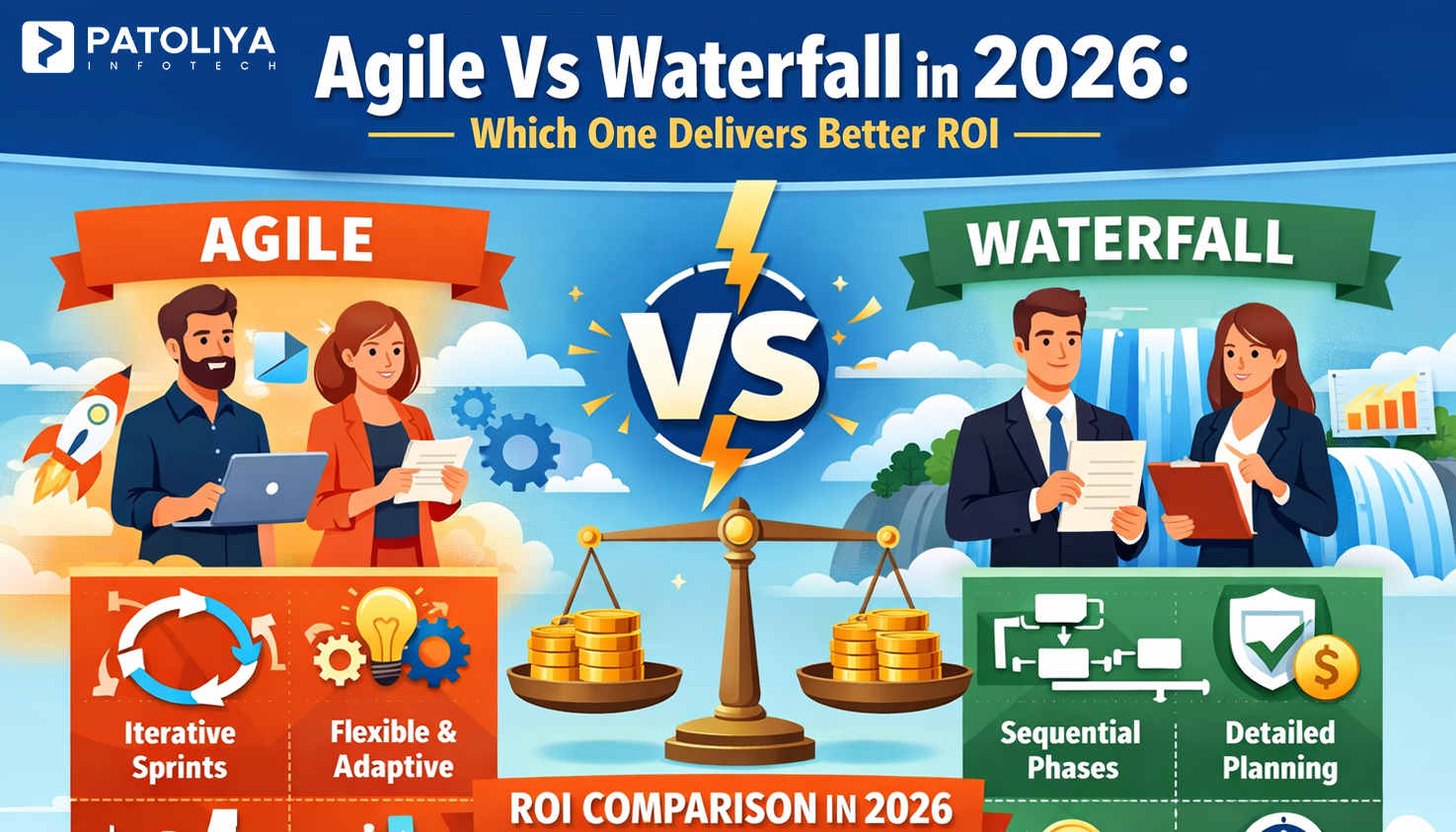
Table of Contents
The debate around Agile vs Waterfall has never been more strategic than in 2026. With AI-driven planning tools, globally distributed remote teams, and release cycles shrinking from quarters to weeks, choosing the right framework is now a competitive differentiator, not just an operational decision. Many enterprises work with a reliable tailored software solutions provider to align delivery frameworks with long-term business strategy and execution goals.
What has changed most is the context in which both methodologies operate. Agile vs Waterfall is no longer a binary conversation. Enterprises today are blending both into a dual-track model that captures flexibility at the execution layer while maintaining governance at the portfolio level. According to PMI's 2025 Pulse of the Profession report, over 67% of large enterprises now run blended frameworks rather than committing to a single methodology.
This article is a practical decision framework for technology leaders, delivery managers, and product owners evaluating Agile vs Waterfall for real-world project management methodologies 2026, with clear guidance on when each model wins and how to combine them intelligently.
Agile Vs Waterfall in 2026 What Has Changed
Impact of AI in project management and automation tools 2026
AI in project management has moved from experimental to essential. Tools like Jira's AI assistant and Microsoft Copilot for Project now automate sprint velocity predictions, flag at-risk tasks, and generate status reports without manual input.
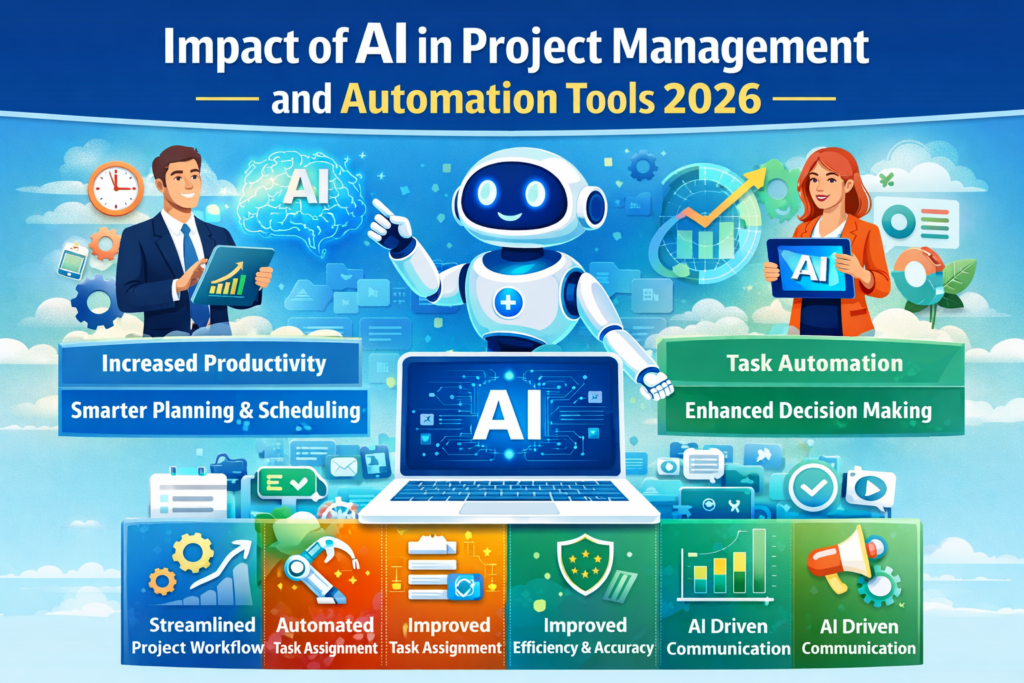
In project management methodologies 2026, for iterative delivery of agile project management, sprint planning best practices, once driven by intuition, are now backed by predictive analytics. For sequential programs of waterfall methodology, AI refines Gantt dependencies and simulates schedule risks before they escalate into delivery failures. This further strengthens strategic alignment in Agile Vs Waterfall frameworks.
Shift toward a hybrid project model in large enterprises
Large enterprises are adopting a hybrid project model that applies sprint-based Agile execution at the team level while maintaining structured Waterfall governance at the program level through milestone reviews and stage gates. This is an approach increasingly central to Agile Vs Waterfall strategies.
A global insurance company might run phased sequential planning for regulatory compliance while simultaneously operating iterative sprints for its customer-facing mobile application.
Demand for faster product iteration cycles
In project management methodologies 2026, Market velocity is reshaping the Agile vs Waterfall conversation. SaaS competitors ship features in days. Organizations relying solely on sequential delivery for customer-facing products face a structural speed disadvantage against iterative teams that integrate directly with DevOps pipelines and ship production-ready increments every one to two weeks.
Agile Vs Waterfall Core Difference in Execution Style
Adaptive project lifecycle in Agile project management
Agile project management operates on an adaptive project lifecycle where requirements evolve throughout delivery. Teams work in sprints of one to four weeks, recalibrating priorities based on user feedback and market shifts, which highlights the flexibility advantage in Agile Vs Waterfall comparisons. Spotify's squad model is a widely cited real-world example of this adaptive project lifecycle deployed at enterprise scale without centralized bottlenecks slowing progress.
Predictive project planning in Waterfall methodology
In Agile vs Waterfall, Waterfall methodology uses predictive project planning; every phase is defined upfront, sequenced linearly, and completed before the next begins. Agile vs Waterfall structure suits projects where requirements are stable, and compliance is mandatory. Government IT contracts and large ERP rollouts are strong examples where predictive project planning consistently outperforms iterative alternatives.
Stakeholder collaboration differences in 2026

In iterative delivery, stakeholders co-own the backlog and attend sprint reviews continuously. In sequential delivery, their involvement is front-loaded during requirements and resumes at formal milestones, with limited reliance on stakeholder collaboration tools. Current project management methodologies 2026 for Agile vs Waterfall favor continuous collaboration for customer-facing products, where end-stage feedback arrives too late to be commercially actionable.
Agile Project Management Advantages in 2026
Faster time to market using Scrum framework 2026
The Scrum framework 2026 enables teams to deliver working software every one to four weeks, compressing time to market dramatically. This is one of the core strengths highlighted in Agile Vs Waterfall comparisons.
A startup using Scrum can ship an MVP in six to eight weeks and begin iterating on real user feedback, while a traditionally planned team may still be finalizing design sign-off at that same stage. Speed to validation is the defining advantage here.
Continuous feedback loops and Kanban boards in software teams
Kanban boards in software teams provide real-time visibility into work in progress, bottlenecks, and capacity. In Agile vs Waterfall, this continuous feedback loop surfaces problems within the same sprint cycle rather than at the project's end when correction costs are highest.
Retrospectives and customer demo sessions reinforce a structured improvement rhythm that sequential delivery models structurally cannot replicate. In project management methodologies 2026, this further emphasizes the responsiveness advantage in Agile Vs Waterfall methodologies.
Better risk management in Agile through iterative delivery
Risk management in Agile distributes exposure across individual sprints rather than concentrating it at the project end. If a feature assumption is wrong, it surfaces after one sprint, not after eighteen months of committed budget.
This iterative risk approach has measurably reduced failure rates in technology-led organizations where scope uncertainty and emerging dependencies are high. This is making it a critical differentiator in Agile Vs Waterfall decision frameworks.
Waterfall methodology Strengths for Regulated Industries
Strong documentation and governance control
Waterfall methodology generates formal deliverables at every phase: requirements specifications, design documents, test plans, and executive sign-off records. This structured documentation trail is essential audit evidence and represents a critical strength in Agile Vs Waterfall comparisons where compliance is non-negotiable.
For a pharmaceutical company pursuing FDA approval or a defense contractor completing a government audit, this project governance frameworks is the legal and structural foundation without exception.
Fixed scope budgeting clarity
Sequential delivery defines scope, timeline, and cost before a single line of code is written. In project management methodologies 2026, making it a preferred model in Agile Vs Waterfall scenarios requiring financial predictability. Finance teams can model budgets accurately, procurement is plannable in advance, and executives maintain clear financial visibility throughout. In public sector contracts and infrastructure programs, this predictability prevents budget overruns that carry legal and reputational consequences.
Suitability for compliance heavy sectors like healthcare and fintech
Healthcare systems under HIPAA, financial platforms under Basel III, and payment gateways under PCI DSS require exhaustive validation and traceable change management.
Waterfall methodology aligns here naturally; compliance teams formally approve each phase before development proceeds. Agile vs Waterfall discussions often undercount how much augmentation iterative delivery needs to satisfy the same regulatory standards.
Agile Vs Waterfall Cost, Risk, and ROI Comparison
Budget predictability versus flexibility
Sequential delivery offers stronger upfront budget predictability, total cost is estimated before work begins, and scope changes flow through formal change requests.
In Agile vs Waterfall, this iterative model of waterfall methodology operates on a rolling budget, with scope adjusted by value delivered each sprint. In project management methodologies 2026, the decision turns on whether your organization prioritizes cost certainty or delivery flexibility, a central theme in Agile Vs Waterfall strategy selection.
Managing scope change in dynamic markets
In iterative delivery of Agile project management, scope change is absorbed through backlog reprioritization with no contractual timeline impact. In sequential delivery, scope change triggers a formal process affecting timeline, cost, and vendor obligations.
For organizations in fast-moving markets like SaaS, retail tech, and fintech startups, this distinction often defines success or failure in Agile Vs Waterfall execution. The inability to accommodate change quickly means delivering a product that the market has already moved past by launch.
Long term scalability and DevOps integration strategy
Iterative delivery integrates natively with a DevOps integration strategy. CI/CD pipelines and automated testing are designed to support fast and sprint-based development cycles. Sequential delivery creates friction at deployment due to its phase-gate structure, a limitation frequently highlighted in Agile Vs Waterfall comparisons of project management methodologies 2026.
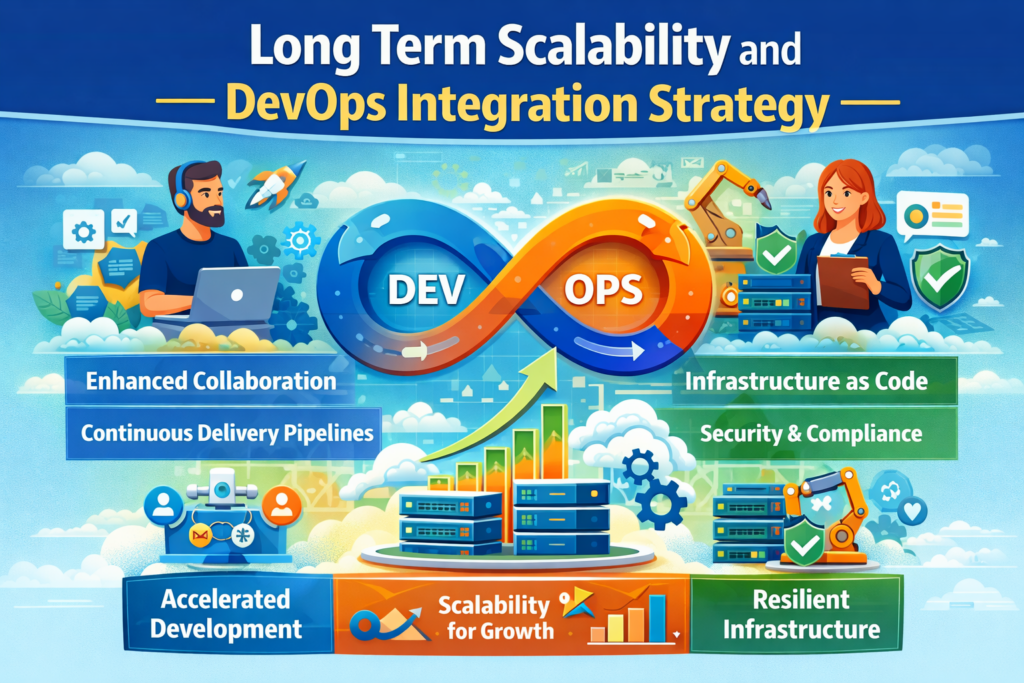
For teams scaling engineering capacity and accelerating release frequency, this iterative model consistently delivers a stronger long-term ROI of Agile vs Waterfall in most product development contexts.
| Factor | Agile Project Management | Waterfall Methodology |
| Time to First Value | 2 to 6 weeks (MVP) | End of project timeline |
| Scope Change Cost | Low (backlog reprioritization) | High (formal change requests) |
| Documentation Depth | Moderate | High |
| Regulatory Compliance Fit | Requires augmentation | Native alignment |
| Team Scalability | High (Scrum, SAFe) | Moderate |
| DevOps Integration | Native | Requires adaptation |
| Budget Predictability | Moderate (rolling) | High (fixed) |
| Risk Exposure Per Cycle | Low (sprint-based) | Higher (end-stage) |
When to Choose Agile Vs Waterfall Decision Framework for 2026
Project size and complexity evaluation
For small-to-medium projects with evolving requirements, iterative delivery fits best. For large multi-year programs with fixed deliverables, infrastructure, or compliance milestones. In agile vs waterfall, Agile project management delivers stronger governance through sequential planning.
Projects running beyond twelve months with a static scope benefit more from structured phase-gate planning. Whether the output is a product or an infrastructure system also guides the Agile vs Waterfall choice of project management methodologies 2026.
Team maturity and tool ecosystem
The Agile vs Waterfall decision must account for team readiness. Iterative delivery requires self-organizing teams comfortable with ambiguity and disciplined in sprint ceremonies. Immutative Agile execution produces worse outcomes than a well-run sequential project. Tool alignment matters equally: Jira and Azure DevOps support iterative planning natively, while MS Project and Primavera are built for sequential delivery.
Client involvement expectations
If your client wants to shape the product continuously, by attending sprint reviews and co-owning the backlog, iterative delivery is the right fit. This is an important consideration in Agile Vs Waterfall alignment. If they prefer to define requirements up front and receive a final deliverable, sequential delivery aligns with that model. Misalignment between project management methodologies 2026 and client expectations remains a leading cause of project dissatisfaction.
Selecting the right framework often depends on execution capability, which is why many organizations rely on structured software development services to ensure the chosen model is implemented effectively.
Quick Decision Flow:
- Evolving requirements + engaged client + product build = Agile project management
- Fixed scope + compliance needs + defined endpoint = Waterfall methodology
- Large enterprise + mixed requirements + governance demands = Hybrid project model
Why Patoliya Infotech is Important for Agile Vs Waterfall Implementation
Expertise in Agile project management and enterprise Waterfall methodology
Patoliya Infotech has delivered projects across Agile project management and Waterfall methodology for clients in the UK, USA, and the Middle East. Certified in Scrum and PMI frameworks, our teams align the right governance model to each engagement, whether a client needs iterative sprint delivery or structured phase-gated programs with formal compliance documentation.
Ability to design a hybrid project model aligned with business goals
Patoliya Infotech designs a hybrid project model that combines governance precision with iterative adaptability, aligning execution strategies with Agile Vs Waterfall best practices. For enterprises managing legacy modernization alongside new digital product development, this blended architecture is a deliberate delivery design without compromise. Each workstream is mapped to the right framework with unified reporting, giving leadership visibility across both tracks.
Proven delivery using AI in project management tools and modern governance practices
Patoliya Infotech integrates AI in project management tooling across delivery operations, automated sprint forecasting, risk flagging, and resource allocation intelligence to reduce risk on both iterative and sequential programs. Their practices align with current project management methodologies 2026, incorporating structured change management process and collaboration frameworks that work regardless of where a project sits in the Agile vs Waterfall spectrum.
Many organizations benefit from having experts evaluate their delivery model to determine the right balance between Agile flexibility and Waterfall governance.
Conclusion
Agile vs Waterfall is not a competition with a universal winner. In 2026, both frameworks are strategically valid; the question is which aligns with your project characteristics, team capabilities, and organizational tolerance for change.
Agile project management delivers speed, adaptability, and continuous value for product led, innovation-driven environments. Waterfall methodology delivers precision, governance, and compliance alignment for regulated, fixed-scope, high-stakes programs. For most large enterprises, the answer lies in between a blended structure of Agile vs Waterfall, capturing the strengths of both without importing the weaknesses of either.
The leaders who will succeed in 2026 are not those who pick a side in the Agile vs Waterfall debate. They evaluate each project on its own terms, select the right project management methodology accordingly, and build the capability to execute both with discipline and intelligence in project management methodologies 2026.
FAQs
Which is better in 2026, Agile Vs Waterfall?
Neither is universally better. The right choice in Agile vs Waterfall depends on scope stability, regulatory requirements, and innovation pace. Evolving requirements and an engaged client favor iterative delivery. Fixed scope and compliance mandates favor sequential planning. In project management methodologies 2026, many organizations find that applying each framework where it fits, rather than committing to one across every project. In Agile vs Waterfall, this produces better portfolio outcomes and reduces delivery risk significantly across diverse teams.
Can Agile and Waterfall be combined?
Yes, and this is increasingly the norm. Agile project management is applied at the team and sprint level for iterative delivery, while the Waterfall methodology governs the program through stage gates and fixed budget cycles. This is creating a balanced approach, often discussed in Agile Vs Waterfall strategies. This phased combination allows organizations to capture the benefits of both project management methodologies simultaneously, speed at the execution level, and governance control at the portfolio level without sacrificing either discipline entirely.
Is Waterfall outdated in 2026?
No. Waterfall methodology remains highly relevant for regulated industries, government contracts, and fixed-scope infrastructure programs, a reality often emphasized in Agile Vs Waterfall evaluations. Healthcare, defense, and financial services organizations select this framework because its phase-gate structure and formal documentation directly satisfy audit and compliance requirements that iterative delivery cannot natively meet without costly augmentation and significant structural process changes.
How does AI impact Agile Vs Waterfall?
AI in project management reshapes both frameworks. For iterative delivery, it enables predictive sprint forecasting, automated backlog prioritization, and real-time risk flagging. For sequential planning, it automates Gantt dependency analysis and compliance documentation. In the Agile vs Waterfall comparison, AI amplifies Agile's speed advantage, frequent sprint cycles produce richer data, while making sequential planning smarter by catching dependency errors before they cascade through fixed timelines.
Which methodology reduces project risk more effectively?
In the Agile vs Waterfall comparison, risk works differently, rather than better or worse. Iterative delivery distributes risk across sprints, problems surface after weeks, limiting financial exposure. Sequential delivery concentrates risk management upfront; late-stage discovery of flawed assumptions is then costly and disruptive. For technology products with uncertain scope, iterative delivery reduces cumulative risk. For well-defined compliance programs, structured sequential planning is more effective and aligns with regulatory expectations.
What industries prefer Agile project management in 2026?
Agile project management dominates in SaaS, ecommerce, mobile application development, and product-driven startups, where rapid iteration is a competitive necessity. Companies like Shopify, Stripe, and HubSpot have built engineering cultures around iterative sprint-based delivery.
This is reinforcing modern Agile Vs Waterfall adoption trends. EdTech and B2B SaaS platforms favor this model because product roadmaps are shaped by continuous user feedback rather than fixed pre-approved specifications that risk being commercially outdated by launch.
This is reinforcing modern Agile Vs Waterfall adoption trends. EdTech and B2B SaaS platforms favor this model because product roadmaps are shaped by continuous user feedback rather than fixed pre-approved specifications that risk being commercially outdated by launch.